What Are Plastic Jars With Lids Bulk Used For?
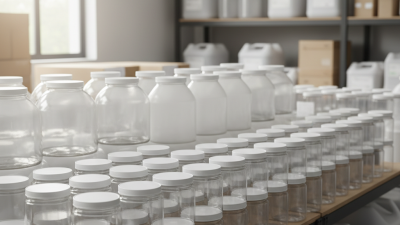
Plastic jars with lids bulk are widely used for products that need protection, visibility, and efficient storage. They hold creams, powders, spices, supplements, pet treats, craft materials, and small hardware. Their wide mouths make scooping easier. Their stackable shapes also reduce wasted warehouse space.
The demand is practical, but it deserves closer examination. The OECD’s Global Plastics Outlook reported that global plastic waste reached 353 million tonnes in 2019, while only 9% was recycled. UNEP’s 2023 Turning off the Tap report found that plastic pollution could be reduced by 80% by 2040 through reuse, better design, and improved waste systems. These findings do not make plastic jars automatically unacceptable. They make material choice and end-of-life planning more important.
Roland Geyer, a leading industrial ecologist, states, “We cannot recycle our way out of the plastic pollution crisis.” His warning is highly relevant to plastic jars with lids bulk. Buyers should consider jar weight, resin type, recycled content, lid compatibility, and realistic local recycling access. A heavier jar may feel stronger, but it can increase transport emissions. A cheaper lid may also fail during shipping. Bulk purchasing can lower unit costs and reduce repeated packaging orders. However, it may create excess inventory when demand is misjudged. This guide examines the main uses, purchasing considerations, and sustainability limits of bulk plastic jars, while recognizing that no packaging option is perfect.
Types and Features of Plastic Jars With Lids in Bulk
What Are Plastic Jars With Lids Bulk Used For?
Types and Features of Plastic Jars With Lids in Bulk
Plastic jars with lids in bulk serve food, personal care, household, and craft packaging needs. Their rigid walls protect powders, creams, beads, spices, and dry snacks during storage and transport. Wide-mouth jars allow easy filling and scooping. Narrow-neck designs reduce spills and product exposure.
Common materials include PET, HDPE, and polypropylene. PET offers clear product visibility and a polished appearance. HDPE handles daily impact and many household formulas well. Polypropylene tolerates higher temperatures than several common plastics. However, material performance depends on the product, closure, temperature, and storage period.
Lid styles also shape the buying decision. Screw-top lids create a dependable seal for repeated use. Flip-top lids support quick dispensing, especially for lotions and liquid cleaners. Inner seals can improve freshness and show whether the jar was opened. Some bulk orders include tamper-evident bands, measuring caps, or foam liners.
A useful quality check is simple: fill one jar, close the lid, turn it upside down, and inspect for leakage. Then test several units, not just one. Bulk packaging can vary slightly between production batches. That small detail is easy to overlook. Clear jars may need light protection, while opaque jars can hide the fill level. Buyers should also verify food-contact suitability, closure compatibility, wall thickness, minimum order quantities, and shipping conditions before placing a large order.
Common Industries That Use Bulk Plastic Jars
What Are Plastic Jars With Lids Bulk Used For?
Food manufacturers use bulk plastic jars for powders, spices, sauces, snacks, and dry ingredients. Wide openings support filling lines and easy scooping. The lid matters. It must provide consistent torque, a secure seal, and practical reclosure after opening. OECD’s Global Plastics Outlook reported 460 million tonnes of plastic production in 2019. Packaging created about 40% of global plastic waste that year. This makes lightweighting and material efficiency important purchasing decisions, not just cost-saving measures.
Personal care and household producers use these jars for creams, scrubs, waxes, detergents, and powdered cleaners. Their smooth walls help labels adhere and allow workers to inspect fill levels. Health-related manufacturers also use jars for tablets, capsules, and powdered supplements, where moisture resistance and tamper evidence require careful testing. Food-contact and pharmaceutical applications need documented migration, seal, and compatibility checks. Not every jar fits. A low-cost lid can fail during transport, while excessive headspace increases waste and shipping volume.
Cosmetic and packaging industry assessments continue to show strong demand for plastic packaging, with Grand View Research estimating the global market above US$400 billion in 2023. Bulk purchasing supports automated filling, uniform shelf presentation, and fewer packaging interruptions. Yet recycled content may affect color, odor, stiffness, or regulatory approval. That trade-off deserves real testing. A jar that performs well in a sample room may behave differently after heat, vibration, or long storage.
What Are Plastic Jars With Lids Bulk Used For?
Bulk plastic jars with lids are commonly used for packaging dry goods, powders, creams, supplements, treats, and household or industrial products. The chart shows the number of representative product types commonly packaged in bulk plastic jars by industry; it is not a market-share comparison.
Food ingredients have the widest range of common applications, while nutraceutical, cosmetic, pet-care, and chemical products also use bulk plastic jars for convenient storage, portioning, and protection from moisture and contamination.
Typical Products Stored in Plastic Jars
What Are Plastic Jars With Lids Bulk Used For?
Typical Products Stored in Plastic Jars
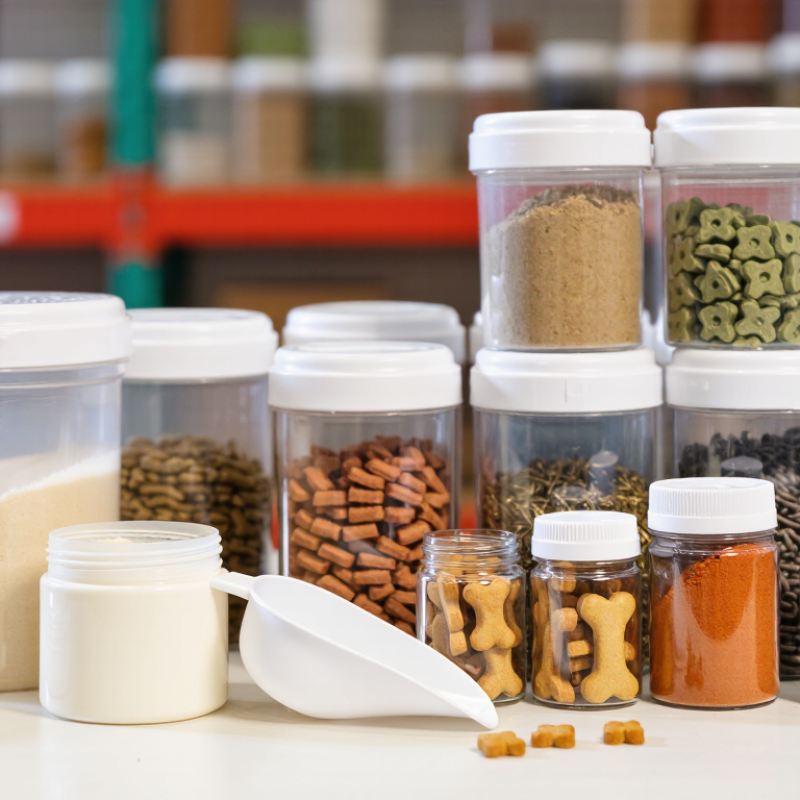
Bulk plastic jars with lids suit products needing clean, visible, repeatable storage. Food processors often use them for spices, tea, grains, dried fruit, seeds, and baking ingredients. The wide opening helps workers scoop powders without leaving residue around the rim. Some jars hold sauces, but liquid compatibility must be checked before filling. A lid can look secure. It may still leak during transport. Packers should test the closure with the actual product and storage temperature. Beyond food, these containers store bath salts, powdered cleaners, craft beads, small hardware, and pet treats.
Tips: Choose jar material according to oil, acidity, moisture, and heat exposure. Test a filled sample for odor transfer, clouding, cracks, and lid fit. Keep jars away from direct sunlight when contents can degrade. Add batch dates and product details. Small checks prevent larger handling problems.
In small production rooms, bulk jars can simplify replenishment. Clear walls show remaining stock at a glance, while stackable shapes save shelf space. Yet not every jar suits every product. Fine powders may cling to static-charged plastic. Oily goods can soften an unsuitable liner. I once underestimated how quickly labels wrinkle near a wash area. That small error slowed counting and weakened traceability. Reliable storage depends on dimensions, closure performance, cleanliness, and verified material specifications before ordering large quantities.
Benefits of Buying Plastic Jars With Lids in Bulk
What Are Plastic Jars With Lids Bulk Used For?
Plastic jars with lids are used for storing dry foods, cosmetics, supplements, craft materials, and small industrial parts. Their wide openings make filling and cleaning easier. Clear walls also help workers check inventory without opening every container.
The strongest benefit comes from buying plastic jars with lids in bulk. Wholesale purchasing usually lowers the unit price and reduces repeated freight, handling, and purchasing work. A bakery can standardize jar sizes across shelves. A workshop can keep matching containers near each workstation. Small changes matter.
PlasticsEurope’s Plastics—the Fast Facts 2023 reported that packaging represented 39.3% of European plastics demand in 2022. The OECD’s Global Plastics Outlook found that packaging created about 40% of global plastic waste in 2019. These figures make material efficiency important, not optional. Bulk orders may reduce outer packaging per jar, but only when storage is well planned. Overstock can cancel that advantage.
A practical warehouse check should cover lid fit, stack stability, wall thickness, and available space. One overlooked detail can cause waste. Buying more also improves supply consistency during busy seasons. However, businesses should confirm food-contact or cosmetic-packaging requirements before ordering. Reusable systems may work better for some operations. They require cleaning routines and customer cooperation, which are easy to underestimate.