Choosing liquid bottles for global sourcing involves more than comparing unit prices. A bottle that performs well on a showroom table may leak after vibration, temperature changes, or repeated handling. Buyers need to assess the intended liquid, filling process, storage conditions, and distribution route before requesting quotations. These details shape decisions about material, capacity, wall thickness, closure type, and dispensing features.
Start with compatibility. Ask suppliers for material specifications and, where appropriate, sample bottles for product testing. Check whether the liquid affects the bottle, liner, seal, or cap over time. A snug closure is not enough; test for leakage in realistic shipping positions. Small details matter, such as a neck finish that matches filling equipment or a shoulder shape that leaves less product trapped inside. There is no universal best bottle.
Sourcing across borders adds practical questions. Confirm production capacity, minimum order quantities, lead times, packaging methods, and quality checks in writing. Request clear drawings and tolerances, then compare samples against the agreed specifications. Ask how defects are recorded and handled. These steps cannot remove every risk, and supplier documents alone may not reveal how a bottle performs with your actual product. That part is easy to underestimate. A modest pilot order can expose issues before a larger commitment, though it also adds time and cost. This guide explains how to weigh function, quality, supplier reliability, and landed cost when selecting liquid bottles for international supply. The goal is a decision grounded in evidence, not a low quote that looks attractive only on paper.
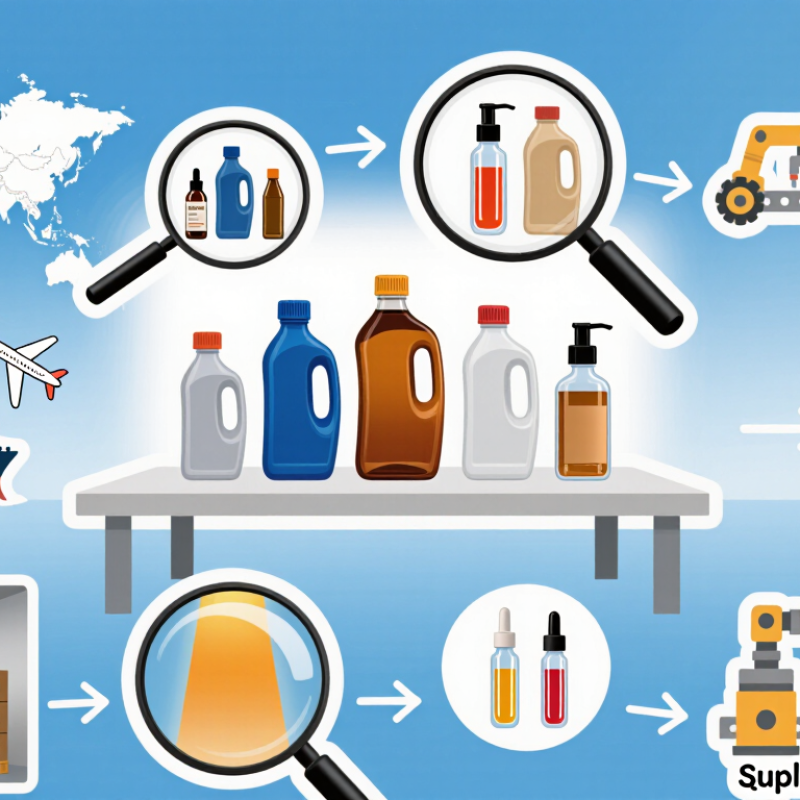
A bottle should match its actual job, not only its appearance. Define the liquid, filling method, storage conditions, and expected user experience before requesting quotations. Water-like liquids need different designs from oils, gels, or concentrated cleaners. Viscosity affects the neck size, pump action, and dispensing speed.
Temperature matters. Hot-fill products may require a container that resists deformation. Cold storage can expose weak materials and poor seals. Light-sensitive liquids may need opaque or tinted packaging. Oxygen exposure can also reduce product quality over time. Ask for compatibility testing with the real formula. Generic test liquids can hide problems.
In sourcing projects, I have seen attractive samples leak after repeated opening. The cause was not always the bottle. Sometimes the cap liner, thread, or torque setting created the failure. Test the complete package, including the closure and label area. Drop tests, squeeze tests, pressure checks, and transport simulations provide useful evidence. Do not rely on one successful sample.
Consider how workers and customers will handle the bottle. A narrow base may save material but become unstable on a filling line. A heavy bottle may feel premium but increase freight costs. Confirm dimensions, wall thickness, recycled content, and production tolerances in writing. Suppliers may describe performance differently. Independent inspection is worth considering. I would also leave room for revision, because early specifications are often incomplete.
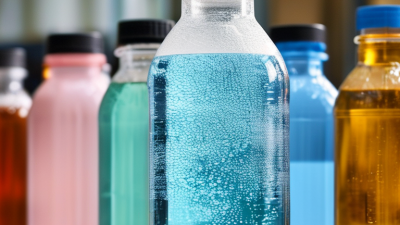
For global sourcing, compare materials against the liquid, shipping route, and filling line. PET is light and impact-resistant, while glass offers a rigid barrier but adds freight weight and breakage risk. In the US, the EPA’s 2018 materials report estimated recycling rates of 13.6% for plastic containers and packaging and 31.3% for glass. These figures are not global predictions; collection systems differ widely. Still, they show why a recyclable label alone is not enough. Ask suppliers for resin or glass specifications, weight tolerances, and samples filled with your actual product.
Closures matter just as much. Match cap liners and dispensing features to viscosity, pouring habits, and storage conditions. A narrow neck may reduce spills, but it can slow filling or make cleaning harder. Check leak performance after vibration and temperature changes, not just on a clean sample. Bottle shape also affects pallet stability: rounded shoulders and deep grip panels can change how units nest in cartons. The International Safe Transit Association’s distribution-testing guidance recommends simulating transport hazards; use an appropriate test protocol before approving a design. Small details count. I have seen tidy-looking samples fail when packed tightly. That is an imperfect warning, but worth testing.
Choosing liquid bottles for global sourcing starts with compliance, not appearance. A clear bottle may look reliable, yet its material can react with the contents. Ask suppliers for current test reports, material declarations, and traceable production records. Food, cosmetic, household, and pharmaceutical liquids may require different controls. Do not treat one certificate as universal proof.
Review the destination market before approving a sample. Regulations can define allowable substances, labeling language, closure security, migration limits, and recycling marks. Request testing from an independent laboratory recognized in the target region. Check the report’s sample number, test method, date, and product description. Small mismatches matter. A report for a 250-milliliter bottle may not cover a 500-milliliter version with another cap. This detail is easy to miss. It can delay production and weaken buyer confidence.
Build a market-specific checklist and keep evidence in one controlled file. Confirm compatibility through temperature, drop, leak, and storage tests. Simulate transport conditions, including heat inside a shipping container. Also verify supplier change-control procedures. A resin, liner, or mold change can affect safety without visible differences. Paperwork is not enough. Test filled bottles after storage whenever possible. This may reveal odor transfer, paneling, or cap leakage before shipment. Requirements also change, and older reports may lose relevance. Recheck compliance before every major purchase.
When selecting liquid bottles for global sourcing, supplier evaluation must go beyond attractive samples. A polished catalog proves little about daily production discipline. I ask for factory records, production flow charts, and recent quality reports. I also request samples from different production batches. Small differences in wall thickness can affect filling, sealing, and transport performance.
Production capacity deserves close attention. Confirm the number of molding lines, shifts, operators, and monthly output. Ask how the supplier handles peak-season orders. A factory may promise high volume but rely on outside workshops. That creates delays and inconsistent quality. A short pilot order can reveal more than a long presentation. Watch the process. Check whether raw materials are identified and stored properly. Bottles should move through clear inspection points, not informal hand checks only.
Quality controls should include dimensional checks, leakage tests, drop testing, and closure compatibility reviews. Request inspection standards with measurable limits. Reliable suppliers should retain batch records and link finished bottles to production dates. Their corrective-action process also matters. How quickly do they investigate a failed sample? My own mistake was trusting final inspection without reviewing process controls. It missed a recurring neck-finish issue. No system is perfect. Ask for evidence, but question your own assumptions too. Clear communication, realistic capacity figures, and documented controls usually indicate a supplier prepared for long-term cooperation.
Anonymous supplier benchmark for liquid bottles. Capacity, lead-time, MOQ, and quality-control figures are planning benchmarks and should be validated through production records, audit reports, samples, and pre-shipment inspections.
| Supplier Profile | Recommended Bottle Material | Typical Application | Annual Production Capacity | Typical MOQ | Standard Lead Time | Production & Process Controls | Quality Acceptance Requirements | Documents to Verify | Overall Sourcing Fit |
|---|---|---|---|---|---|---|---|---|---|
| Profile A | High-density polyethylene (HDPE) | Household cleaners, personal-care liquids, chemical products | 30–60 million units/year | 10,000–30,000 units | 35–50 days | Incoming resin inspection; extrusion-blow-molding process control; automated weight checks; leak testing; torque testing for closures. | AQL inspection under ISO 2859-1; agreed dimensional tolerances; no leakage during pressure testing; drop-test requirements defined by package specification. | ISO 9001 certificate; material safety data; resin compliance declaration; dimensional inspection report; batch traceability records. | Strong for durable packaging |
| Profile B | Polyethylene terephthalate (PET) | Water, beverages, cosmetics, edible oils, and clear liquid products | 50–120 million units/year | 20,000–50,000 units | 30–45 days | Preform moisture control; injection-stretch-blow molding; automated visual inspection; wall-thickness measurement; burst and leak testing. | Food-contact or cosmetic-contact compliance where applicable; bottle weight and volume tolerance; closure-fit verification; transport testing based on destination-market requirements. | ISO 9001 certificate; food-contact declaration where required; migration test report; resin lot records; packaging performance test results. | Strong for high-volume clear bottles |
| Profile C | Polypropylene (PP) | Hot-fill products, pharmaceutical liquids, laboratory and specialty containers | 15–40 million units/year | 8,000–25,000 units | 40–60 days | Melt-flow verification; mold-temperature monitoring; cap and hinge-cycle testing; dimensional checks; heat-resistance and deformation testing. | Thermal stability confirmed at the intended filling temperature; closure compatibility verified; AQL sampling plan documented; color and print standards approved before mass production. | ISO 9001 certificate; material compliance declaration; heat-resistance report; product drawings; approved golden sample; batch inspection records. | Strong for heat-resistant designs |
| Profile D | Glass, including soda-lime glass | Premium cosmetics, fragrances, food liquids, and light-sensitive formulations | 10–35 million units/year | 5,000–20,000 units | 45–75 days | Glass-wall thickness control; annealing inspection; dimensional measurement; thermal-shock testing; visual inspection for cracks, stones, blisters, and surface defects. | Internal pressure and thermal-shock performance defined by product use; closure fit and sealing confirmed; transport packaging tested under ISTA or equivalent protocols. | ISO 9001 certificate; glass composition declaration; thermal-shock report; migration or extractables report when applicable; packaging drop-test report. | Strong appearance, higher logistics risk |
| Profile E | Post-consumer recycled PET (rPET) | Sustainability-focused personal care, household, and beverage packaging | 8–25 million units/year | 20,000–60,000 units | 45–70 days | Recycled-content segregation; contaminant screening; color control; intrinsic-viscosity testing; batch traceability; additional visual inspection for haze and inclusions. | Recycled-content percentage verified against the purchase specification; color and clarity tolerance agreed in advance; migration and odor testing completed for regulated applications. | Recycled-content certification where required; chain-of-custody records; food-contact or cosmetic-contact compliance documents; contaminant test report; batch traceability. | Suitable when traceability is proven |
| Profile F | Aluminum or aluminum-plastic laminate | High-barrier products, light-sensitive liquids, creams, and specialty formulas | 5–18 million units/year | 10,000–30,000 units | 50–80 days | Thickness and coating inspection; seam or laminate integrity testing; torque and crimp checks; barrier-performance testing; compatibility testing with the formulation. | No pinholes or delamination; required oxygen and moisture barrier verified; seal integrity confirmed; chemical compatibility tested for the intended filling period. | ISO 9001 certificate; coating and laminate specifications; barrier test report; compatibility report; closure and seal inspection records. | Best for demanding barrier needs |
| Profile G | Small-batch specialty packaging | New product launches, seasonal products, sampling, and market testing | 1–8 million units/year | 1,000–8,000 units | 20–40 days | Semi-automated production; documented first-article approval; manual visual inspection; basic leak and closure checks; limited mold availability. | 100% visual inspection recommended for customized finishes; pilot filling test required; dimensional and sealing tolerances must be agreed before order confirmation. | Business license; material compliance declaration; sample approval record; production photos; inspection checklist; corrective-action procedure. | Useful for testing, verify scalability |
How to Choose the Best Liquid Bottles for Global Sourcing?
Compare Total Costs, Shipping Options, and Sample Results
A low unit price can hide expensive problems. I compare the bottle price, closure, label, carton, inspection, and delivery fees. The real figure is the landed cost per usable bottle. A lightweight bottle may reduce freight, but thin walls can increase leakage risk. I check carton dimensions, gross weight, and pallet limits before requesting a formal quotation. Small details matter.
Shipping options change the decision. Sea freight usually suits stable, high-volume orders, while air freight helps with urgent launches. Rail or multimodal shipping may balance speed and cost on selected routes. I request quotes under the same delivery terms and compare transit time, insurance, customs handling, and destination charges. Otherwise, the cheapest offer is often misleading. Very often.
Samples reveal more than photographs. I test the cap seal by turning filled bottles upside down for 24 hours. I also inspect thread alignment, squeezing resistance, surface marks, and label adhesion after refrigeration. For liquid products, I record leakage, odor transfer, and dispensing speed. I keep photos and measurements with each sample code. My own mistake was approving a sample before testing the final carton. The bottle passed, but several caps arrived scuffed. That delay changed my inspection checklist. A reliable supplier should explain material specifications, production tolerances, sampling methods, and corrective actions clearly. I still treat every result as evidence, not a promise.