1941 West Fort St

Detroit, MI 48216

313-496-0550

Mon - Fri 8:45 a - 4 p ET

Porter Bottle Company

How to Choose the Best Glass Bottles for Your Business?

Choosing the right glass bottles can shape how customers experience your product. The bottle protects its contents, supports safe handling, and communicates quality before opening. A clear, sturdy bottle may suit a premium juice brand, while amber glass can help protect light-sensitive oils. These choices are practical, not merely decorative.

Your decision should begin with the product itself. Consider acidity, viscosity, filling temperature, closure compatibility, and expected shelf life. A beverage producer may need bottles that tolerate automated filling and repeated transport. A small skincare company may value a narrow neck, precise dispensing, and a comfortable grip. Check supplier specifications carefully. Ask for samples. Test them with your actual product.

Appearance matters, but it should not lead every decision. A beautiful bottle can still be too heavy, fragile, or costly for your distribution network. Weigh the bottle in your hand. Inspect its finish under warehouse lighting. Try the cap after several opening cycles. Small details often become expensive problems later.

Reliable selection also requires evidence. Compare material quality, manufacturing consistency, food-contact documentation, and delivery performance. Discuss minimum order quantities and replacement policies with experienced suppliers. Regional packaging requirements may also affect labeling, closures, and recycling claims, so confirm current guidance with qualified professionals. No option is perfect. Your first choice may need revision after real-world testing. That is not failure; it is useful business learning. The best glass bottles balance protection, usability, branding, sustainability goals, and total operating cost.

How to Choose the Best Glass Bottles for Your Business?

Define Your Business Needs and Bottle Requirements

Choosing glass bottles starts with your business needs, not attractive shapes. Define the product, fill volume, sales channel, and production speed. A 250 ml bottle may suit single servings, while a 750 ml format can reduce packaging cost per unit. However, heavier glass increases freight weight and handling risks.

Check compatibility with your filling line, closure, label, and storage conditions. Hot-fill products need strong thermal-shock resistance. Carbonated products require suitable pressure performance. For chilled distribution, test bottles after repeated temperature changes. The U.S. Environmental Protection Agency reported a 31.3% recycling rate for glass containers in its 2021 Facts and Figures report. Recyclability helps, but local collection systems still determine real recovery. That detail is easy to overlook.

Tips: Measure the bottle shoulder, neck finish, and base diameter before ordering samples. Test filled bottles on your actual conveyor. Record breakage after transport vibration, stacking, and temperature changes. Ask suppliers for food-contact documentation, dimensional tolerances, and quality-control records. A perfect bottle rarely exists. Choose the safest practical balance.

Use transparent glass when product visibility supports purchase decisions. Choose amber or green glass when light protection matters, but confirm customer expectations. Industry market reports show continued growth in glass packaging demand, driven by premium presentation and perceived sustainability. Yet appearance alone cannot justify poor line performance. I have seen packaging projects fail because the bottle looked right but jammed during capping. Build your specification around measurable requirements, then challenge it with real-world testing.

Compare Glass Types, Shapes, Sizes, and Closure Options

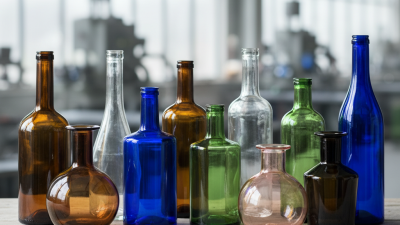
Choosing glass bottles starts with product behavior, not appearance. In my packaging tests, clear glass helped customers inspect color, sediment, and fill level. Amber glass blocked much of the light that can weaken sensitive formulas. Cobalt or green glass can add protection, but color consistency must be checked between batches. Small detail. Soda-lime glass suits many everyday products and keeps costs predictable. Borosilicate glass tolerates sharper temperature changes, though its price may be higher. Do not choose by material name alone.

Bottle shape affects grip, shelf space, and filling speed. A narrow neck can reduce spills, while a wider opening makes scooping and cleaning easier. Round bottles roll more easily, while square profiles use cartons efficiently. Test a filled sample. Size should match actual use. A 100 ml bottle may suit trials, while a 500 ml bottle may feel wasteful for occasional products. Leave headspace based on the filling method and expansion risk, not guesswork.

Screw caps offer reliable resealing, while pumps support controlled dispensing. Dropper closures improve precision but need leak and compatibility testing. Metal, plastic, and lined closures can react differently with the contents. Request material specifications and run filled-bottle tests for leakage, torque, drop resistance, and storage. A closure that fits perfectly on paper may loosen during transport. I once favored a beautiful shape that packed poorly; the rework cost more than expected. Check supplier documentation and relevant local packaging requirements before approving production samples.

How to Choose the Best Glass Bottles for Your Business? - Compare Glass Types, Shapes, Sizes, and Closure Options

Selection guide based on glass performance, packaging function, filling method, and common commercial applications.
Selection Dimension Option Typical Specifications Best-Suited Products or Applications Key Advantages Important Considerations
Glass Type Type I Borosilicate Glass Low thermal expansion
High resistance to thermal shock and chemical attack
Laboratory liquids, pharmaceutical preparations, essential oils, premium formulations, and products exposed to rapid temperature changes Excellent chemical durability; better resistance to sudden heating and cooling than ordinary soda-lime glass Usually more expensive than soda-lime glass; may not be necessary for standard beverages, sauces, or room-temperature products
Glass Type Type III Soda-Lime Glass Common commercial glass composition
Good general-purpose strength and chemical stability
Beverages, food products, cosmetics, candles, household liquids, and general retail packaging Widely available; cost-effective; suitable for most non-sterile consumer products Lower thermal-shock resistance than borosilicate glass; hot-fill and pasteurization processes require validated bottle specifications
Glass Type Flint Glass Clear, colorless appearance
High product visibility
Water, spirits, syrups, sauces, skincare, fragrances, and products where color and texture are part of the buying experience Displays the product clearly; supports premium presentation and easy visual inspection Provides little protection from ultraviolet light; light-sensitive products may require colored glass or secondary packaging
Glass Type Amber Glass Brown-colored glass that filters a substantial portion of ultraviolet and blue light Essential oils, botanical extracts, beer, certain pharmaceuticals, and light-sensitive liquids Helps reduce light exposure that can contribute to oxidation, color change, or loss of sensitive compounds Product color is less visible; actual protection depends on glass color, wall thickness, wavelength, and product sensitivity
Glass Type Green Glass Colored soda-lime glass with moderate light screening Oils, beverages, table products, and packaging where a traditional or natural visual identity is desired Distinctive appearance; offers more light screening than clear glass Light protection is generally lower and less predictable than amber glass; validate for sensitive formulas
Bottle Shape Straight-Sided Round Circular cross-section; consistent diameter; usually easy to label Beverages, sauces, syrups, oils, household products, and refillable packaging Efficient filling and cleaning; good pressure distribution; labels can be applied with standard equipment Can roll without a suitable base or secondary pack; less distinctive than custom silhouettes
Bottle Shape Square or Rectangular Flat faces; compact arrangement in cartons and on shelves Sauces, spirits, oils, cosmetics, and products requiring strong front-facing label presentation Efficient use of shelf and shipping space; broad labeling surfaces; distinctive appearance Corners may be more vulnerable to impact; filling, capping, and handling equipment must match the bottle geometry
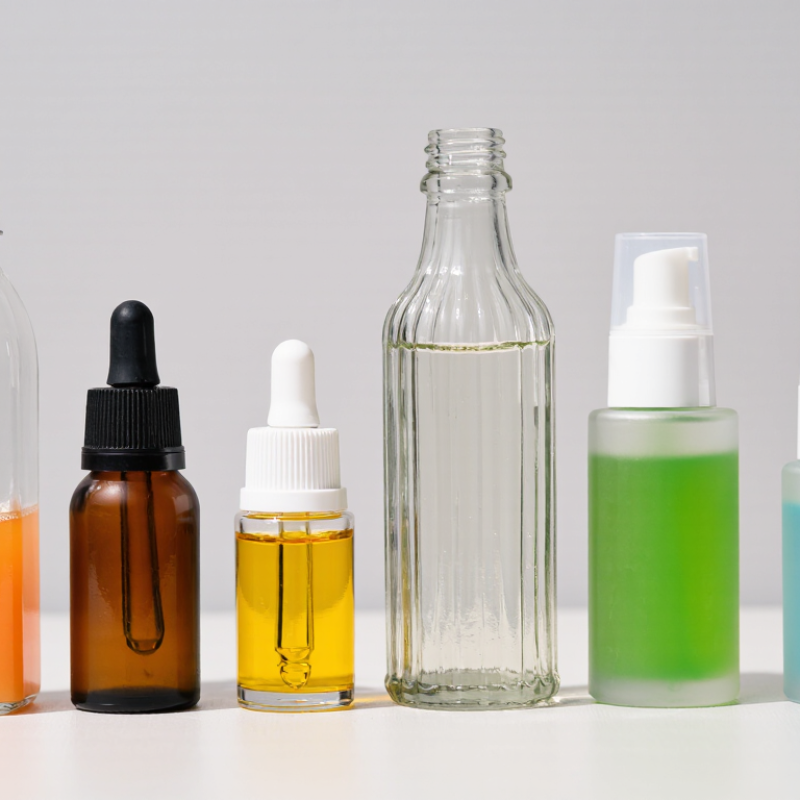
Bottle Shape Boston Round Short shoulder transition with a rounded body and relatively narrow neck Essential oils, cosmetics, tinctures, laboratory products, and personal-care liquids Stable, easy to handle, and compatible with droppers, pumps, and screw closures Shoulder and neck dimensions must be checked when selecting labels, inserts, and dispensing components
Bottle Shape Fiole or Tapered Narrower upper body or gently sloped shoulders Fragrance, specialty cosmetics, gourmet condiments, and premium gift-oriented products Creates a premium appearance and can improve pouring control May provide less usable label area; tapered surfaces can require specialized labeling tools
Bottle Shape Wide-Mouth Jar Large opening relative to the body diameter Creams, balms, food spreads, powders, candles, dry goods, and products removed with a spoon or hand Easy filling, access, cleaning, and product removal Larger opening can increase air exposure; closure liner and sealing performance are especially important
Capacity 10–30 mL Sample, trial, travel, or concentrated-use format Serums, essential oils, fragrances, flavor concentrates, supplements, and promotional samples Low product commitment; convenient for testing, travel, and premium sampling programs Higher packaging cost per milliliter; small necks and components can slow filling and labeling
Capacity 50–100 mL Small retail or personal-use format Cosmetics, tinctures, sauces, dressings, spirits, and personal-care products Portable and suitable for premium or specialty products Requires accurate dosing and careful component selection to maintain a balanced appearance
Capacity 200–375 mL Mid-size serving or specialty retail format Beverages, mixers, sauces, syrups, candles, and personal-care liquids Good compromise between portability, shelf presence, and product quantity Confirm case-pack dimensions and bottle weight before finalizing shipping cartons
Capacity 500–750 mL Standard household, hospitality, or full-size retail format Water, juice, spirits, oils, sauces, detergents, and refill products Strong shelf visibility and practical volume for repeat-use products Heavier shipping weight; pallet density and breakage protection should be tested
Capacity 1,000 mL or More Bulk, family-size, food-service, or refill format Cooking oils, beverages, cleaning liquids, syrups, laboratory liquids, and refill systems Reduces packaging frequency and can lower packaging cost per unit of product Greater filled weight; ergonomic handling, closure torque, shelf stability, and transport protection are critical
Closure Continuous-Thread Screw Cap Screw-on cap using a matching threaded neck finish Beverages, sauces, cosmetics, oils, household products, and general-purpose liquids Reclosable; widely available; compatible with liners, dispensing orifices, and tamper-evident bands Requires correct neck finish, liner, cap material, and application torque to prevent leaks
Closure ROPP Cap Roll-on pilfer-proof aluminum closure formed onto a matching bottle finish Wine, spirits, oils, syrups, and other products requiring a tamper-evident metal closure Clean premium appearance; tamper evidence; good recyclability of the aluminum component Needs specialized capping equipment and precise neck-finish compatibility
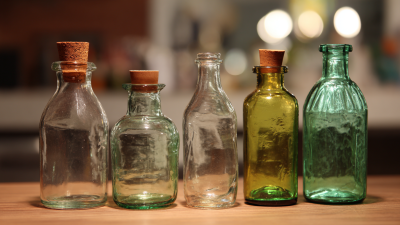
Closure Cork or Synthetic Stopper Compression-fit stopper inserted into a suitable neck opening Spirits, specialty oils, gourmet products, gift packaging, and decorative containers Strong traditional or artisanal appearance; convenient for frequent opening and closing Not automatically leak-proof or tamper-evident; stopper dimensions and compression must be validated
Closure Dropper Closure Screw or snap closure combined with a pipette or rubber bulb Essential oils, serums, tinctures, laboratory reagents, and products requiring controlled dispensing Supports small-volume dosing and reduces uncontrolled pouring Product viscosity and chemical compatibility must be tested; droppers can increase assembly cost
Closure Pump or Spray Closure Mechanical dispensing system fitted to a compatible screw neck Fragrance, skincare, hand soap, cleaning products, and other products intended for repeated metered dispensing Convenient user experience; controls dosage and can reduce spills Pump dip-tube length, actuator compatibility, priming behavior, and formula viscosity require testing
Closure Lug or Twist-Off Lid Metal lid secured by interrupted threads or lugs; commonly used with jars Jams, pickles, sauces, preserved foods, and wide-mouth products Suitable for vacuum sealing and hot-fill food applications when the complete package is validated Requires compatible jar finish, gasket compound, vacuum control, and validated processing conditions
Operational Requirement Hot-Fill or Pasteurization Packaging is exposed to elevated product or process temperatures Acidic beverages, sauces, jams, and other shelf-stable food products Can support microbial control and extended shelf life when the process is properly designed Bottle thermal-shock resistance, fill temperature, cooling rate, headspace, and closure vacuum must be validated together
Operational Requirement Light-Sensitive Formula Product quality may be affected by ultraviolet or visible light Essential oils, pharmaceuticals, botanical extracts, selected beverages, and oxidation-sensitive formulations Amber or other colored glass can reduce light transmission and improve product protection Do not rely on color alone; conduct stability testing and confirm the required light-transmission range
Operational Requirement Premium Shelf Presentation Appearance, weight, clarity, decoration, and tactile feel are major purchase factors Fragrance, spirits, cosmetics, gourmet foods, gift sets, and luxury retail products Glass offers strong visual clarity, a substantial feel, and compatibility with printed or applied decoration Heavier bottles can increase freight costs; surface defects, decoration durability, and line handling should be inspected
Practical selection rule: Match the glass type to chemical and thermal exposure, the bottle shape to filling and labeling equipment, the capacity to usage frequency and shipping requirements, and the closure to dispensing, sealing, tamper-evidence, and reclosure needs.

Evaluate Safety, Quality, Durability, and Regulatory Standards

How to Choose the Best Glass Bottles for Your Business?

Safety should guide every bottle decision. The WHO and FAO estimate that contaminated food causes 600 million illnesses annually. That figure makes material control more than a paperwork exercise. Choose food-contact glass with documented composition, batch traceability, and migration testing. European sales require compliance with Regulation (EC) No. 1935/2004 and good manufacturing practices. In the United States, suppliers should support applicable FDA food-contact requirements.

Ask for current test reports, not old certificates. Test it cold. A bottle that survives filling may still crack during refrigeration or transport.

Quality includes neck dimensions, wall thickness, closure fit, and surface defects. ISO 4802 provides methods for testing the hydrolytic resistance of glass containers. Impact and thermal-shock testing add practical evidence. The Glass Packaging Institute’s industry overview describes glass as 100% recyclable and endlessly recyclable, but recyclability does not excuse weak manufacturing controls.

Durable bottles need consistent geometry and carefully inspected bases. I would also review drop-test results using your actual fill weight and shipping carton. Laboratory results can look excellent. Real warehouses are less forgiving. One overlooked scratch may become a costly breakage claim. Recheck supplier data when the design, furnace, coating, or closure changes. That step is easy to skip, and sometimes that is the problem.

Assess Suppliers, Customization, Minimum Orders, and Lead Times

Choosing the best glass bottles starts with evaluating the supplier, not the catalog image. Ask for material specifications, closure compatibility, quality certificates, and recent production samples. A reliable supplier should explain inspection methods, breakage rates, and packaging protection clearly. Request a small sample shipment first. It reveals details that photos often hide.

Customization can include bottle shape, glass color, surface printing, embossing, and cap options. Confirm artwork requirements before paying for tooling. Ask who owns the mold and how future revisions affect costs. Minimum order quantities also deserve careful attention. A low unit price may require thousands of bottles, creating storage pressure and cash-flow risks. I once underestimated warehouse space for a seasonal order; the mistake was expensive and avoidable.

Tips: Compare at least three written quotations. Check whether prices include tooling, packaging, freight, and inspections. Ask for a production sample before approving the full run. Discuss lead times in stages, including design approval, mold production, manufacturing, and shipping. Build extra time into your launch plan. Glass production can slow during peak periods, and delays do happen. A supplier promising an unusually fast schedule may be confident, or simply optimistic. Get every commitment in writing, then review it with your operations team before ordering.

Calculate Total Costs and Select the Best Bottle Solution

How to Choose the Best Glass Bottles for Your Business?

The cheapest bottle is rarely the lowest-cost solution. Calculate the full cost per filled unit before making a purchase. Include the bottle, closure, label, carton, freight, storage, filling labor, and expected breakage. A bottle costing $0.30 may reach $0.58 after packaging and delivery. Weight matters too. Heavier glass can increase freight costs and handling risks. Ask suppliers for consistent dimensions, material specifications, and quality-control records. Request samples before approving a large order.

Test the bottle with your real filling line, product, label, and shipping carton. Check whether the neck fits your closure equipment without leaks or delays. Measure rejected units during a small production run. A two percent breakage rate can become expensive at scale. Reusable bottles may reduce long-term waste, but washing, inspection, and collection require labor. That part is often underestimated. I have seen cost models fail because they ignored storage space and slow packing speeds. Recheck the numbers after testing, not before.

Tips: Build a simple cost sheet with purchase, freight, packaging, labor, damage, and storage columns. Compare at least three bottle shapes using the same order volume. Confirm food-contact suitability and applicable local requirements. Keep a small safety stock, but avoid filling your warehouse with attractive bottles that sell slowly.

Scroll to Top