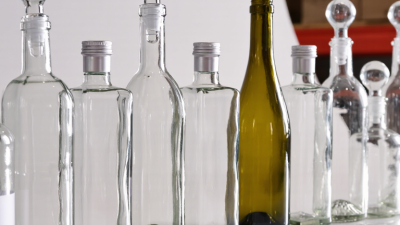
Glass bottles with lids serve very different purposes, from storing pantry staples to carrying skincare products. Their clear walls make contents easy to identify, while the right closure can help limit spills, odors, or exposure to air. Some differences are easy to miss until a bottle sits in a refrigerator door or leaks inside a bag.
This guide explores common types, including screw-cap bottles, swing-top bottles, cork-stopper bottles, and bottles with droppers or pump closures. Each design has trade-offs. A screw cap is simple to tighten; a swing-top has a hinged clasp and rubber seal; a dropper helps dispense small amounts. Small details matter. Neck size, seal material, bottle shape, and ease of cleaning can affect everyday use. A beautiful bottle may still be awkward to refill. That is worth considering.
The best choice depends on what the bottle will hold and how often it will be opened. For example, a wide-mouth bottle may be easier to wash after holding syrup, while a narrow-neck design can suit liquids poured in small servings. Closure performance varies by product and construction, so check the maker’s care and use guidance rather than assuming every lid is airtight or leakproof. This overview compares practical features, typical uses, and points to inspect before choosing. There is no single perfect style. A little trial and error may still be part of finding the right fit.
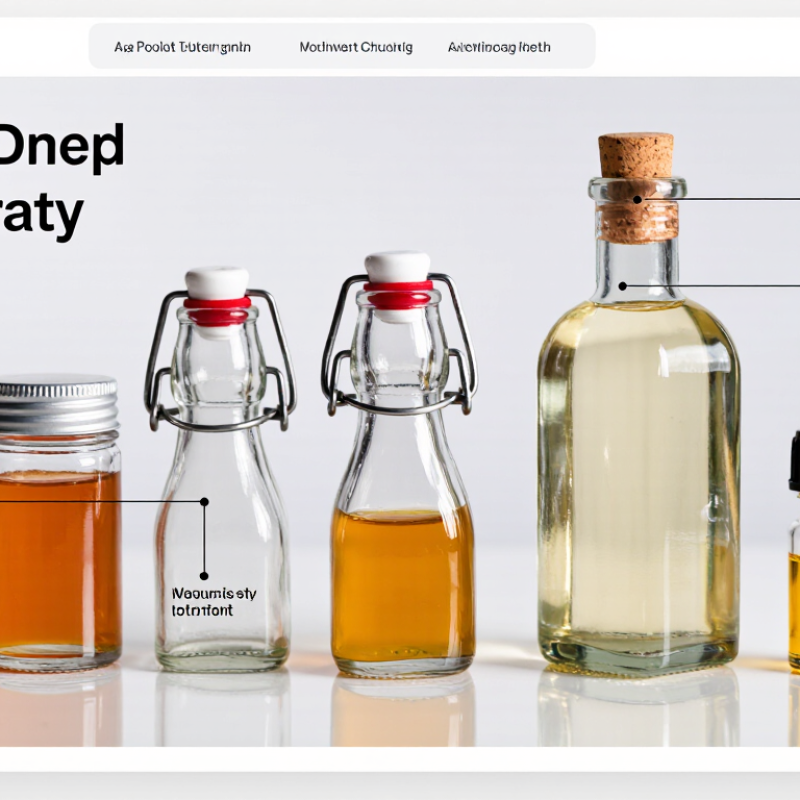
A screw cap is a familiar choice for glass bottles used with sauces, oils, and drinks. Its threads match the bottle neck, while a liner may help reduce leaks and protect the contents. Check that the cap fits the exact neck finish; similar-looking threads do not always seal well. A cap that feels tight is not proof of a reliable seal.
Cork closures suit bottles where a simple, removable stopper is useful. They can work well for oils or specialty beverages, but fit and storage conditions matter. Swing-top closures use a hinged wire clasp and a gasket, often rubber or silicone. They are convenient for repeated opening, though worn gaskets may need replacing. Small details count.
Other options include dropper caps for controlled dispensing and pump or spray closures for liquids applied in measured amounts. These closures need compatible bottle openings and should be tested with the actual liquid. One easy mistake is choosing by appearance alone. There is no universal best closure: handling, storage, and sealing needs all matter, and a quick leak check can still miss problems that appear later.
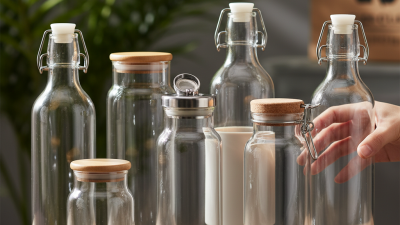
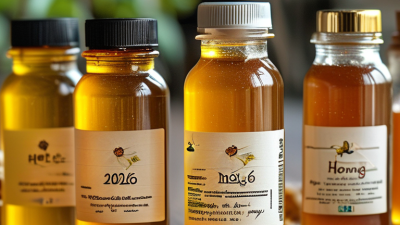
Glass bottles with screw-top lids are practical when a container needs frequent opening and a predictable closure. Their threaded necks guide the cap into place, while the glass body resists absorbing many odors and stains. A cap may be metal or plastic, and some designs include a liner beneath it. That liner matters: the threads hold the lid on, but the liner helps form the seal.
Check that the cap and bottle are designed to fit together. A lid that feels tight can still leak if its thread size or sealing surface is wrong. For liquids, fill a sample bottle, close it by hand, and store it upright before choosing a container for regular use. A snug fit matters. Avoid forcing the cap; cross-threading can damage the closure or chip the bottle’s rim. Not always obvious.
These bottles suit pantry staples, sauces, oils, and personal-care liquids, depending on the bottle and closure specifications. They are also easy to inspect: residue around the neck or a worn liner is visible during cleaning. However, screw tops are not automatically leakproof, and repeated washing may affect some liners or caps. That detail is easy to overlook. I would not assume one lid works for every use; test the complete bottle-and-cap combination with the intended contents and storage conditions.
Swing-top bottles use a hinged wire clasp to press a stopper and gasket against the glass rim. The closure opens without a separate cap, which makes it handy for pouring at a kitchen table or refilling a water bottle. That seal matters. Yet the clasp alone does not make every bottle suitable for carbonated drinks; use a bottle and closure specified for pressure.
Grand View Research’s Glass Packaging Market Size, Share & Trends Analysis Report estimated global glass-packaging market revenue at about US$65.8 billion in 2023. That figure covers many types of glass packaging, not swing-top bottles specifically. It does show the scale of the material category, while leaving room for practical questions about a particular bottle’s design and durability.
For everyday use, check that the stopper sits evenly and the gasket has no cracks, flattening, or sticky residue. Wash the wire hinge carefully; water can linger around its joints. Small parts wear. Replace a damaged gasket rather than forcing the clasp shut. One drawback is easy to overlook: the hinge can make thorough cleaning less convenient than with a simple screw cap. Inspect it in good light, especially after repeated washing.
| Bottle Type | Common Capacity | Typical Uses | Swing-Top Closure | Practical Notes |
|---|---|---|---|---|
| Small beverage bottle | About 250–330 ml (8.5–11.2 US fl oz) | Single servings of beer, sparkling drinks, or homemade soda | Wire bail, stopper, and replaceable gasket | Compact and easy to chill. Use for carbonated drinks only when the bottle is specifically rated for pressure. |
| Standard beverage bottle | About 500 ml (16.9 US fl oz) | Beer, kombucha, sparkling water, and other drinks | Hinged wire closure presses a stopper against the bottle rim | A versatile everyday size. Check that the bottle and closure are clean and that the gasket is in good condition. |
| Large-format beverage bottle | About 750 ml (25.4 US fl oz) to 1 L (33.8 US fl oz) | Table drinks, batch-made beverages, and serving at meals | Usually a sturdy bail mechanism with a fitted stopper and gasket | Holds more per bottle but can be heavier when full. Bottle shape and neck finish vary by design. |
| Glass growler | Commonly about 1.9 L (64 US fl oz); smaller sizes are also available | Transporting draft beer or other beverages for short-term use | Large swing-top stopper with a sealing gasket | Keep chilled and follow the beverage supplier’s storage guidance. A swing top does not make every growler suitable for carbonation. |
| Wide-mouth storage bottle | Varies; often around 500 ml to 1 L | Dry pantry goods, infused liquids, and reusable kitchen storage | Stopper and gasket form a reusable closure | Useful for frequent access. The closure is not automatically airtight or leakproof; verify the product’s specifications. |
| Fermentation bottle | Varies by batch size; commonly 500 ml to 1 L for small batches | Small-scale fermentation and beverage experiments | Swing top can seal a bottle for storage after fermentation | Active fermentation needs a suitable way to release gas, such as an airlock. Do not tightly seal an actively fermenting bottle unless the process and vessel are designed for pressure. |
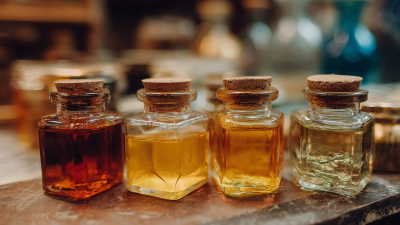
Glass bottles with corks or stopper lids suit small-batch pantry storage, table service, and homemade gifts. Their appeal is tactile: a cork presses into the neck, while a glass stopper can leave the bottle looking almost seamless. Check the fit before filling. A loose closure may let air in or allow a bottle to tip and leak.
Natural cork is lightweight and easy to remove, but it is not always airtight. It can absorb nearby odors, and repeated soaking may shorten its useful life. Keep the cork dry when washing the bottle. A snug glass stopper, especially one fitted with a food-safe silicone ring, often gives a more reliable seal. Still, fit varies. Neck shape matters.
These bottles work well for dry spices, infused cooking oils, or chilled water served soon after pouring. For oils, a narrow neck can slow drips, though residue may collect around the opening. Wash that area carefully. Choose a bottle with a wide enough opening for your brush, and let it dry fully before reuse. Stopper bottles are not automatically pressure-safe, so avoid sealing fizzy liquids in ordinary decorative glass. Some closures feel charming but prove fiddly in daily use; handling one before buying can prevent a small, annoying mismatch.
Glass bottles with pump or spray lids work well when controlled dispensing matters. A lotion pump can deliver thicker products in measured strokes, while a fine-mist sprayer suits thin liquids such as facial toner. Choose a neck finish that matches the closure, and check that the dip tube reaches the bottle’s base. Small parts matter. A tube that is too short can leave product behind; one that is too long may bend and block flow. Test the pump with the actual formula, not just water.
For daily use, consider the bottle’s weight, grip, and refill opening. Clear glass shows the remaining level, but some contents may need protection from light. The U.S. Environmental Protection Agency’s Advancing Sustainable Materials Management: 2018 Fact Sheet reports that 3.1 million tons of glass containers were recycled in 2018. That figure supports glass’s established recycling stream, but it does not guarantee every pump assembly is recyclable as-is. Many closures combine plastic, metal, and a spring, so check local sorting guidance and separate components when required. A spray head can also clog. It is a small annoyance, yet worth testing before choosing a bottle for repeated use.