1941 West Fort St

Detroit, MI 48216

313-496-0550

Mon - Fri 8:45 a - 4 p ET

Porter Bottle Company

7 Tips for Buying Amber Glass Bottles Wholesale Globally?

Amber glass bottles are chosen for more than their warm, familiar appearance. Their tinted walls can help limit light exposure, while glass offers a rigid, non-porous package for many beverage, cosmetic, and personal-care products. But a good bottle on a sample table can become a costly mistake in a shipment. Neck finish, closure fit, carton strength, and lead time all matter.

The market is substantial. Grand View Research estimated the global glass packaging market at USD 66.6 billion in 2023 and forecast growth through 2030. This broad category includes many container types, not just amber bottles, so it is useful context—not a buying forecast. The European Container Glass Federation also reports that container glass is widely collected and recycled in Europe, though actual recovery depends on local systems. These sources point to a mature industry, but not identical quality or service from every supplier.

Wholesale sourcing crosses details that product photos rarely show. Ask for dimensional drawings, closure samples, production tolerances, and current quality documentation. Check whether the quoted price includes packaging, freight, and breakage allowances. Request a pilot order before committing to a full container load. Small discrepancies matter. A few millimeters at the neck can affect a cap, liner, or filling line. And yes, paperwork can feel tedious. It is still cheaper than discovering a mismatch after thousands of bottles arrive. These seven tips will help buyers compare suppliers carefully, assess landed costs, and choose amber glass bottles that fit the product and the supply chain.
7 Tips for Buying Amber Glass Bottles Wholesale Globally?

Define Your Amber Glass Bottle Requirements

Define Your Amber Glass Bottle Requirements

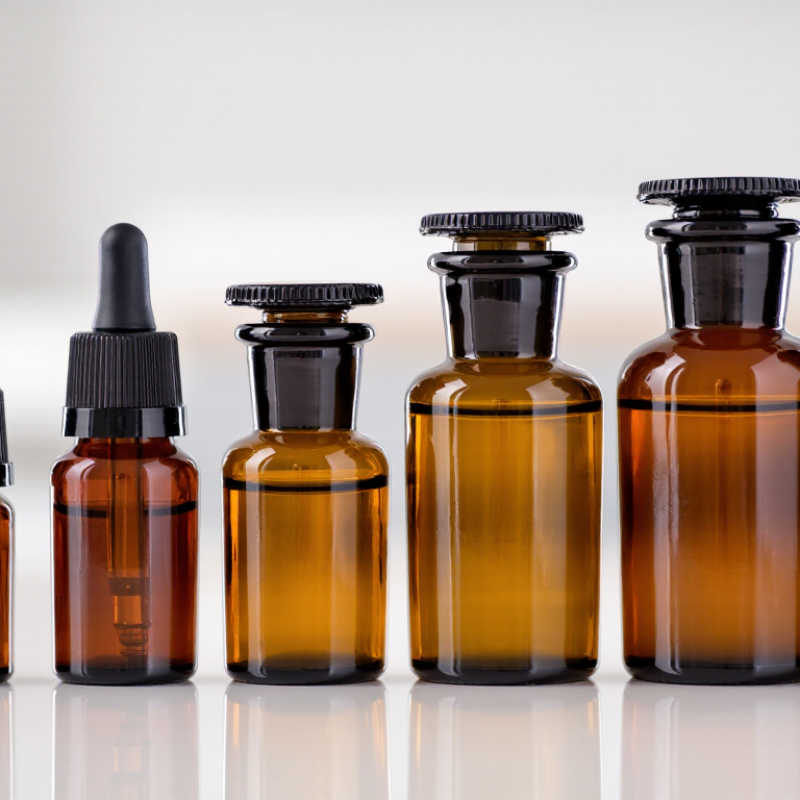
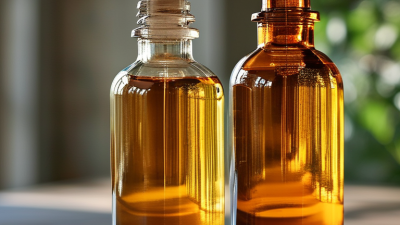
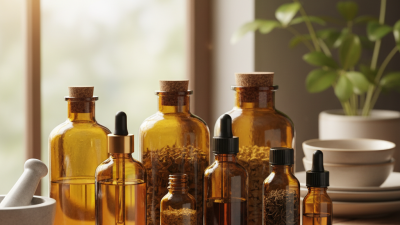
Before requesting wholesale quotes, describe exactly what the bottle must do. Set its nominal capacity, intended fill volume, and acceptable size range. Amber glass can help limit light exposure, but protection varies with glass composition and color. For light-sensitive contents, request relevant test data rather than relying on appearance alone. Small details matter.

Specify the neck finish and closure type together. A cap that looks compatible may not seal reliably. Note the required liner, tamper-evident feature, or dispensing insert, if applicable. Include bottle dimensions, weight limits, and any labeling area. A clear drawing with tolerances can reduce misunderstandings between buyers and overseas suppliers. It is easy to overlook the base diameter until bottles reach a filling line.

Also define packaging before comparing prices. Ask how bottles are divided, cushioned, and secured in cartons or pallets. Request sample units to check color consistency, surface defects, fit, and handling before placing a large order. Be specific about inspection criteria; “good quality” means little without measurable standards. I would also record which details are flexible, because changing specifications late can create avoidable delays and extra freight costs. A short written specification gives every supplier the same basis for a quote.
Define Your Amber Glass Bottle Requirements

Common nominal capacities range from 30 mL to 1,000 mL. Use your required fill volume to narrow down options, then confirm the bottle’s dimensions, neck finish, closure compatibility, and packing requirements with each supplier. Available sizes vary by supplier.

Compare Wholesale Suppliers Across Global Markets

Buying amber glass bottles wholesale requires more than comparing unit prices. Compare suppliers across global markets by checking glass color, light protection, neck finish, closure compatibility, and capacity tolerance. A bottle that looks amber in a photo may provide weaker protection in production. Request physical samples and inspect them under bright light. Small flaws matter.

Review each supplier’s production experience, quality controls, testing records, and export documentation. Ask about minimum order quantities, mold charges, lead times, packaging, and replacement policies. A reliable supplier should explain how bottles are inspected before shipment. I once underestimated carton strength, and several samples arrived with chipped rims. That mistake changed my purchasing checklist.

Compare landed cost, not just the quoted factory price. Include freight, insurance, customs charges, local handling, and possible storage fees. Suppliers in nearby markets may offer faster delivery, while distant manufacturers may provide better capacity during large seasonal orders. Check communication speed and whether technical answers remain consistent. It is not always easy.

Confirm that materials, labeling, and packaging meet the destination market’s applicable requirements. Ask for written specifications instead of relying on sales descriptions. Sustainability claims also deserve evidence, such as recycled-content details or energy-related certifications. A lower price can hide higher inspection and replacement costs. Keep a comparison sheet with sample results, delivery records, payment terms, and risk notes before choosing a long-term supply partner.

7 Tips for Buying Amber Glass Bottles Wholesale Globally? — Compare Wholesale Suppliers Across Global Markets

Compare suppliers using the same bottle specifications and a delivered-cost basis. Regional characteristics below are general sourcing considerations, not guarantees; availability, minimum order quantities, lead times, and regulations vary by supplier and destination.

Tip What to Compare Supplier Markets to Evaluate Practical Checks
1. Match the bottle specification Capacity, height, diameter, neck finish, closure compatibility, glass weight, and color consistency. Compare manufacturers in every region under consideration; catalog dimensions and neck finishes can differ between suppliers. Request a dimensioned drawing and physical samples. Test the bottle with the intended cap, dropper, pump, or liner.
2. Verify amber-glass suitability Glass composition, color uniformity, intended product compatibility, and any light-protection requirements. Assess suppliers across global markets against the same product-use requirements rather than assuming color alone provides a specified level of protection. Ask for product documentation and test bottles with the actual contents. Confirm any required light-transmission or compatibility testing.
3. Compare minimum order quantities Minimum order for stock items versus custom colors, molds, decoration, or special packaging. Local or regional distributors may offer access to stock quantities; direct factories may have different order thresholds, especially for customized work. Get written quantity breaks and clarify whether minimums apply per size, finish, or production run.
4. Calculate landed cost Unit price plus packaging, inland transport, freight, insurance, duties, taxes, and destination charges. Compare nearby and overseas options using the same delivery destination and shipment assumptions; freight can materially affect the cost of heavy glass packaging. Request a dated quotation with the delivery term, currency, packing details, and any excluded costs clearly stated.
5. Check production and delivery timing Sample time, production lead time, shipping time, peak-season capacity, and schedule flexibility. Lead times depend on stock, production schedules, route availability, and customs procedures in the supplier and destination markets. Confirm the expected ship date in writing and ask how delays or partial shipments are handled.
6. Review quality control and compliance Inspection criteria, defect handling, traceability, packaging integrity, and destination-market requirements. Requirements differ by end use and country. Food, cosmetic, pharmaceutical, and chemical packaging can be subject to different rules. Specify acceptable defect limits and inspection procedures. Obtain applicable declarations or test reports and verify them for your use case.
7. Test samples and shipping protection Bottle consistency, closure fit, labeling performance, carton strength, palletization, and breakage risk. Compare packaging methods and transit plans for each quoted route; protective packaging and handling practices may vary. Approve pre-production samples, request photos of packed orders, and agree on a process for reporting transit damage.

Buyer checklist: Send each shortlisted supplier the same specification sheet, required quantity, destination, delivery deadline, and quality criteria before comparing quotations.

Verify Bottle Quality, Safety, and Regulatory Compliance

A darker bottle is not automatically safer. Amber glass should reduce light exposure, but quality starts with documented composition, strength, and surface condition. Request the glass type, wall-thickness tolerance, thermal-shock results, and migration or extractables testing. Inspect random cartons for chips, fine cracks, uneven shoulders, and rough neck finishes. A small defect can break during filling or transport.

Colour is not proof. The European Commission’s 2023 packaging data recorded 186.5 kilograms of packaging waste per EU resident in 2022. This figure increases pressure for durable, recyclable packaging, but sustainability claims still require evidence. Ask suppliers for recycled-content records, batch traceability, and test methods. Packaging that looks clean may still fail under heat, pressure, or chemical contact.

Regulatory checks must match the destination market and intended use. In the United States, FDA 21 CFR 211.94 requires drug containers to avoid reactive, additive, or absorptive effects. USP <660> also evaluates glass containers through hydrolytic resistance testing. For pharmaceutical packaging, ISO 15378 certification can support quality-system verification, though it does not replace product testing. Request current certificates, declarations of compliance, and a recent certificate of analysis. Verify the issuing laboratory independently. Do not rely on copied PDFs. One purchasing error is treating paperwork as physical proof; a better process combines documents, samples, and independent inspection before approving a wholesale shipment.

Evaluate Pricing, Shipping, and Import Costs

7 Tips for Buying Amber Glass Bottles Wholesale Globally

Tip 1: Compare complete quotations, not only the bottle price. A low unit price can hide caps, inner seals, cartons, or inspection fees. Request tiered pricing for 1,000, 5,000, and 10,000 units. Tip 2: Confirm the glass weight and volume. A heavier bottle may cost more but reduce breakage during filling and transport. Ask for samples before approving a large order.

Tip 3: Calculate shipping by cubic volume, not carton count alone. Ask for carton dimensions, gross weight, pallet details, and the delivery term. Sea freight is often cheaper, but port delays can affect production schedules. Air shipping may suit urgent samples, but its cost rises quickly. Tip 4: Separate freight, insurance, handling, and destination charges. I once underestimated terminal fees because the quotation looked complete. It was not.

Tip 5: Estimate import duties and local taxes with a licensed customs professional. Product classification can change the final landed cost. Tip 6: Check whether the supplier can provide accurate commercial invoices, packing lists, and origin documents. Clear paperwork supports reliable customs processing. Tip 7: Build a small contingency budget for breakage, currency changes, and storage. Ten percent may be reasonable, but local conditions differ. Confirm every assumption in writing, and review the numbers again before payment.

Finalize the Order and Plan Quality Checks at Delivery

Finalize the purchase order with exact bottle specifications, not general descriptions. State the amber shade, capacity, neck finish, glass weight, closure fit, carton quantity, and pallet arrangement. Attach approved drawings and reference samples. Confirm the delivery term, inspection window, and documents required for customs clearance. Keep records.

Ask for a pre-shipment inspection report with batch numbers and production dates. A useful report should include dimensions, wall thickness, color consistency, leakage checks, and packaging condition. For light-sensitive contents, request suitable light-transmission data when relevant. Do not rely only on factory photographs. They may show a better batch.

At delivery, inspect the pallets before signing without remarks. Photograph crushed cartons, wet packaging, broken glass, chips, scratches, and uneven amber coloring. Count cartons against the packing list. Open cartons from different pallet positions, then compare bottles with the approved sample. Check the neck finish with actual closures, because small mismatches can cause leakage later. Use a documented sampling plan, such as an agreed AQL level, rather than checking only the easiest cartons. Set aside questionable pieces. Keep records.

If defects exceed the agreed tolerance, notify the supplier and logistics provider within the contract period. Include carton numbers, quantities, photos, and inspection results. Do not discard damaged packaging too quickly. It can support a claim. A rushed inspection is easy to regret, especially across borders and time zones. Rechecking a few random cartons may feel excessive, but it often reveals packing damage hidden in the middle.

Scroll to Top