1941 West Fort St

Detroit, MI 48216

313-496-0550

Mon - Fri 8:45 a - 4 p ET

Porter Bottle Company

Best Amber Glass Bottles Manufacturers in China?

China has become a major sourcing destination for amber glass bottles, serving pharmaceutical, cosmetic, food, and laboratory packaging markets. However, the lowest quotation rarely tells the complete story. Glass color consistency, wall thickness, neck accuracy, closure compatibility, and breakage rates can directly affect product safety and filling efficiency.

Grand View Research reported that the global glass packaging market was valued at approximately USD 75 billion in 2023. Its outlook also indicates continued growth through 2030, supported by pharmaceutical demand and recyclable packaging preferences. Smithers has similarly identified pharmaceutical packaging as a sector requiring stronger quality control, traceability, and material performance. These findings make supplier evaluation more important than simple price comparison.

Protection matters.

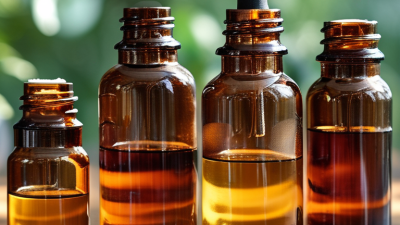
Amber glass bottles reduce ultraviolet exposure, helping protect light-sensitive products such as essential oils, vitamins, and selected medicines. Yet amber color alone does not prove reliable protection. Buyers should request light-transmission data, chemical-resistance testing, dimensional reports, and batch-level inspection records. ISO 9001 certification helps, but it is not a complete quality guarantee.

Adeline Farrelly, Secretary General of the European Container Glass Federation, has stated, “Glass is a permanent material: it can be recycled endlessly without loss in quality.” That principle supports glass packaging’s long-term value, but manufacturing details still matter. A supplier may offer recycled content while providing inconsistent bottle weight or weak packaging protection.

This guide examines leading Chinese manufacturers of amber glass bottles through a practical lens. It considers production capacity, mold development, pharmaceutical compliance, customization, export experience, and after-sales support. The market is not perfectly transparent. Some claims require verification. That is precisely where careful comparison becomes valuable.
Best Amber Glass Bottles Manufacturers in China?

What Defines a Reliable Amber Glass Bottle Manufacturer in China?

A reliable amber glass bottle manufacturer in China proves quality through consistent processes, not attractive promises. The best supplier is not simply the one offering the lowest quotation. It should explain how silica, recycled content, and colorants are controlled. Amber glass must reduce light exposure, yet shade consistency matters across every batch. Ask for batch records, material declarations, and a clear lot-number system. These documents make quality claims easier to verify. A factory visit can reveal storage conditions, inspection points, and production discipline. Not glamorous, but important.

Technical capability appears in repeatable details. Check neck dimensions, wall thickness, overflow capacity, and closure fit across samples. A dependable manufacturer uses calibrated gauges and records inspection results. Proper annealing helps reduce internal stress, while controlled forming limits cracks and weak areas. Request drop, thermal shock, light transmission, and leakage testing when relevant. Independent laboratory reports add confidence, although one test cannot represent every production lot. I would treat a perfect sample cautiously. Production variation still happens. The honest question is how quickly the supplier detects and corrects it.

Tips: Compare three production samples, not one showroom piece. Confirm minimum order quantities, lead times, packaging protection, and replacement procedures in writing. Ask who owns the testing records and how complaints are investigated. A short video call with quality staff may reveal more than a sales presentation. Choose communication that is precise, responsive, and willing to admit limitations. That is reliability in practice.
Key Manufacturing Regions and Industry Specializations

Best Amber Glass Bottles Manufacturers in China?

China’s amber glass bottle industry is concentrated in several manufacturing regions. Jiangsu is known for pharmaceutical packaging and molded glass production. Many factories there focus on dimensional accuracy, hydrolytic resistance, and stable batch output. Zhejiang has strong experience with smaller bottles for cosmetics, personal care, food, and household products. Its manufacturers often provide flexible shapes, colored glass, and surface decoration.

Shandong supports large-scale glass production with established raw material supply chains. Its factories commonly serve pharmaceutical, food, and chemical packaging markets. They may offer competitive pricing for high-volume orders. Guangdong is more closely connected with packaging development, finishing, and export-oriented customization. Manufacturers there often handle screen printing, frosting, coating, and closure matching.

Regional labels are useful, but never sufficient. During supplier audits, buyers should inspect melting furnaces, annealing lines, mold maintenance, and sampling procedures. Ask for recent dimensional inspection records. Check neck finish, wall thickness, light transmission, and leakage performance. Small differences matter.

A factory may look capable on paper. Reality can be less consistent. Some suppliers outsource decoration or closures without clear disclosure. That creates avoidable quality risks. Request production samples from the same line used for bulk orders. Review batch traceability, packaging protection, and corrective-action records. Certifications can support credibility, but they do not replace independent testing. For sensitive applications, pilot orders often reveal more than polished presentations.

Best Amber Glass Bottle Manufacturing Regions in China

Regional specialization index based on commonly established packaging-glass and pharmaceutical-packaging clusters. A higher score indicates broader capabilities in amber glass bottle production, tooling, decoration, and supply-chain support—not company or brand sales data.

Shandong and Jiangsu are widely associated with pharmaceutical and chemical glass packaging, while Hebei is known for container-glass manufacturing and Zhejiang for diversified pharmaceutical and cosmetic packaging supply chains.

How Chinese Manufacturers Produce Amber Glass Bottles

How Chinese Manufacturers Produce Amber Glass Bottles

Chinese manufacturers produce amber glass bottles through controlled materials, high-temperature forming, and repeated inspection. Production usually starts with silica sand, soda ash, limestone, and approved coloring minerals. The batch is weighed carefully before entering a furnace. Amber color commonly comes from iron and sulfur compounds. Small changes can affect shade, light protection, and appearance. This is where practical experience matters. Not every batch looks identical.

In the furnace, raw materials melt at roughly 1,500°C, creating a consistent glass mixture. Workers and automated systems monitor temperature, viscosity, and furnace pressure. The molten glass moves through forehearth channels before being cut into measured gobs. Each gob enters a mold, where compressed air forms the bottle shape. Neck dimensions require special attention. A minor variation can cause closure problems later. Cooling follows in an annealing lehr, which reduces internal stress. Rushing this stage is a costly mistake.

After annealing, inspectors check wall thickness, weight, color, dimensions, cracks, and surface marks. Many factories use cameras, gauges, and sampling tests together. Drop and thermal shock tests help reveal weaknesses that visual checks miss. Packaging teams then separate acceptable bottles with protective dividers. In practice, production is not perfectly smooth. Mold wear, uneven cooling, or unclear specifications can create defects. Reliable manufacturers record these issues and adjust the process instead of hiding them. Buyers should request samples, inspection reports, and tolerance data before placing large orders.

Quality Standards, Certifications, and Product Customization

Choosing among amber glass bottle manufacturers in China requires more than comparing prices. A reliable supplier should explain its glass composition, light-protection performance, dimensional tolerances, and production controls. Ask for inspection records covering wall thickness, capacity, neck finish, color consistency, and leakage resistance. Small differences matter when bottles run through filling equipment.

Certifications need careful checking. ISO 9001 can support quality management, but it does not prove every bottle suits food, cosmetic, or pharmaceutical use. Request current certificates, laboratory reports, material declarations, and batch traceability documents. Independent testing is useful for chemical resistance, extractables, and closure compatibility. Factory audits also reveal practical details, such as clean storage, calibrated instruments, and how rejected bottles are controlled.

Customization should begin with application requirements, not decoration. Manufacturers may adjust bottle volume, shoulder shape, neck size, glass color, frosting, labeling, embossing, and cap options. Confirm mold ownership, minimum order quantities, sampling fees, and replacement policies before approval. A detailed drawing prevents expensive misunderstandings. Still, a polished sample can hide production variation. I have learned to test several batches, not one perfect piece. Some suppliers communicate well but document poorly. That weakness deserves attention. Reliable cooperation depends on repeatable testing, clear records, and honest discussion when a specification cannot be met.

How to Evaluate and Select the Right Chinese Supplier

Best Amber Glass Bottles Manufacturers in China?

How to Evaluate and Select the Right Chinese Supplier

Selecting an amber glass bottle manufacturer requires more than comparing prices. Ask how the supplier controls glass thickness, color consistency, and bottle weight. Request recent inspection records, material specifications, and batch traceability documents. A reliable factory should explain its quality process clearly, without hiding behind vague claims. Check whether the bottles protect light-sensitive contents under your intended storage conditions. Laboratory testing may be necessary.

Request samples from different production batches. Inspect the neck finish, base stability, surface marks, and closure fit. Test leakage after filling and transport simulation. Small defects often appear during handling, not during a factory presentation. Confirm the supplier’s minimum order quantity, mold charges, production schedule, and packaging method. Wooden pallets, dividers, and protective film can reduce breakage, but they also affect shipping costs.

Communication matters more than many buyers expect. Ask for a named quality contact and written responses to technical questions. Review export experience, factory certifications, and corrective-action records. A video tour is useful, but an independent audit provides stronger evidence. Do not rely only on polished samples. They may not represent normal production. No checklist is perfect. Leave room for a pilot order, because supplier performance can change when quantities increase. Pay attention to response speed, document accuracy, and whether problems are reported before shipment.

Scroll to Top