1941 West Fort St

Detroit, MI 48216

313-496-0550

Mon - Fri 8:45 a - 4 p ET

Porter Bottle Company

China Top 10 Honey Jar Manufacturers for Global Buyers

Choosing reliable honey jar suppliers in China requires more than comparing factory prices. Global buyers must examine material quality, production consistency, food-contact safety, and export experience. The right container protects honey while supporting shelf appeal, filling efficiency, and customer trust.

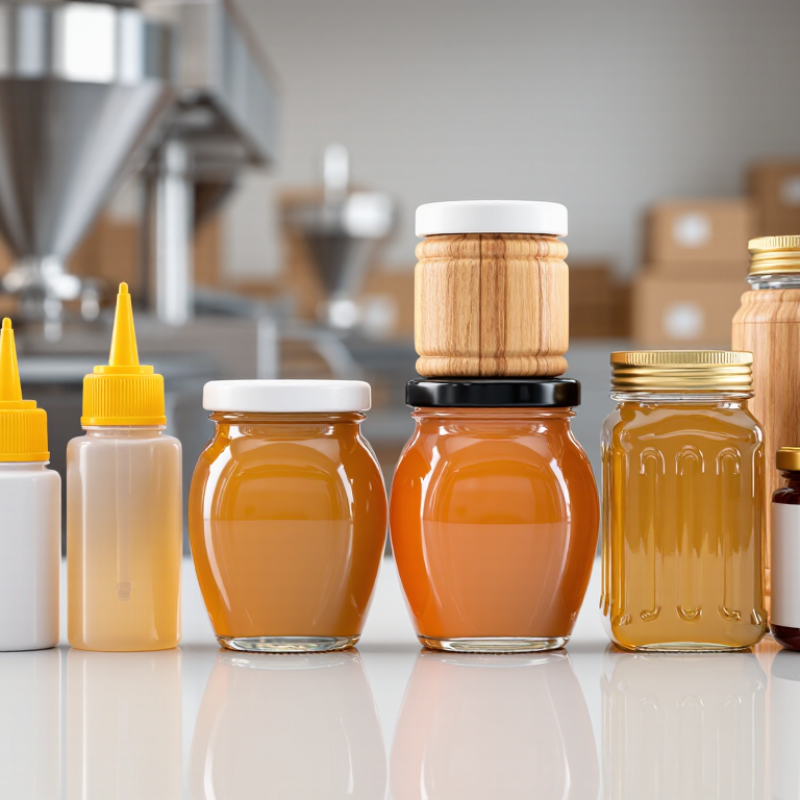
This guide introduces ten leading Chinese honey jar manufacturers for international sourcing teams. It compares their glass and plastic options, including clear glass jars, squeeze bottles, wooden-lid designs, and custom printed packaging. Each supplier should be assessed through product samples, factory audits, certification reviews, and clear communication. Important details include jar capacity, neck finish, closure compatibility, wall thickness, carton strength, and resistance during ocean transport. Reliable manufacturers can usually provide specifications, inspection records, and traceability documents. Buyers should also confirm minimum order quantities, mold charges, lead times, and replacement policies before signing agreements.

Details matter.

A strong supplier may offer attractive design support but lack flexible small-batch production. Another may provide competitive pricing but require stricter order planning. No manufacturer is perfect, and this comparison should not replace independent verification. Experienced buyers often test filled samples under heat, vibration, and repeated opening conditions. They also review factory responsiveness after the first shipment, when weaknesses become visible. The goal is not simply to find inexpensive honey jars. It is to build a dependable packaging supply chain with stable quality, practical customization, and transparent commercial terms. This overview offers a grounded starting point for distributors, food brands, wholesalers, and importers seeking long-term manufacturing partners in China.
China Top 10 Honey Jar Manufacturers for Global Buyers

Understanding the Chinese Honey Jar Manufacturing Landscape

China Top 10 Honey Jar Manufacturers for Global Buyers

Understanding the Chinese Honey Jar Manufacturing Landscape

China’s honey jar manufacturing landscape is broad, with factories serving small farms, retailers, and international distributors. Production clusters often specialize in glass forming, ceramic packaging, metal lids, or complete jar assembly. This structure gives buyers flexibility, but it also makes supplier comparison difficult. A low quotation may exclude molds, printing, inner seals, or export packaging.

Reliable evaluation starts with production evidence. Request factory photos, material specifications, food-contact test reports, and recent inspection records. Clear glass should be checked for bubbles, uneven walls, and sharp rims. Lids need consistent threading and a secure seal. For honey, the closure matters because leakage creates sticky cartons, rejected shipments, and unhappy customers. Ask whether the supplier performs vacuum, torque, and drop tests.

Minimum order quantities vary widely. Custom embossing usually requires tooling fees and longer development time. Standard jars may reduce risk, especially for a first shipment. However, standard does not always mean dependable. Samples can look excellent while mass production shows color variation or loose caps. This is easy to overlook. A written approval sample, measurable tolerances, and staged quality checks can reduce that gap. Buyers should also confirm carton strength, pallet loading, lead times, and communication procedures before placing an order. Manufacturing capacity is only one part of the decision; process discipline often matters more.

Criteria for Selecting China’s Top 10 Honey Jar Manufacturers

China Top 10 Honey Jar Manufacturers for Global Buyers

Selecting China’s top honey jar manufacturers requires more than comparing prices. Experienced buyers inspect glass clarity, wall thickness, neck finish, and closure compatibility. A jar should feel balanced in the hand, with no sharp seams or visible bubbles. The design must also protect honey from leakage, moisture, and unnecessary light exposure.

Professional manufacturers provide food-contact material documents, production samples, and batch inspection records. Ask for drop-test results, torque data, and carton-loading photographs. These details reveal how carefully a factory controls daily production. Reliable suppliers explain mold fees, minimum order quantities, lead times, and replacement procedures clearly. They should also support testing against the destination market’s current packaging requirements.

Do not trust polished presentations alone. A supplier may pass a sample inspection but struggle during mass production. Request a pilot order and compare several cartons from different batches. Communication matters too. Slow answers can become costly when labels, caps, or shipping dates change. The lowest quotation is not always economical; it may exclude testing, stronger cartons, or protective inserts. No manufacturer is perfect, and buyers should record weaknesses instead of ignoring them. A transparent factory that admits a limitation may deserve more trust than one promising everything.

Profiles of the Top 10 Honey Jar Manufacturers in China

China Top 10 Honey Jar Manufacturers for Global Buyers

Profiles of the Top 10 Honey Jar Manufacturers in China

The ten profiles represent different manufacturing strengths, not an official ranking. Each supplier is assessed through materials, production control, customization, and export readiness. One focuses on lightweight glass jars for large retail programs. Another produces thick, premium jars for gift packaging. Several specialize in wide-mouth designs, helping honey producers fill, clean, and label containers efficiently.

Some manufacturers offer custom molds with embossed patterns, raised logos, or unusual shoulders. Others rely on standard shapes, which usually reduce tooling costs and shorten delivery times. A few combine glass production with metal or plastic closures. Their practical advantage is simplified purchasing. Still, closure fit must be tested carefully. Small inconsistencies can cause leakage during transport.

Reliable factories should provide food-contact material documents, sample approval, and batch traceability. Export experience also matters. Experienced teams understand carton strength, pallet loading, moisture protection, and shipping risks. Factory visits or independent inspections can reveal details that catalogs hide. Production floors should look organized, with clear inspection points and protected finished goods.

Some profiles are stronger in decoration, including frosting, printing, and color coating. Others perform better with high-volume, consistent orders. Buyers should compare minimum quantities, mold ownership, lead times, and replacement policies. No manufacturer is perfect. A low price may conceal weaker packaging or slower communication. I would request samples before making a final decision, even when the factory appears highly capable.

Comparing Materials, Designs, Certifications, and Production Capacity

China Top 10 Honey Jar Manufacturers for Global Buyers

When comparing China’s top ten honey jar manufacturers, material choice affects safety, freight, and shelf appeal. Glass offers strong barrier protection and a premium feel, but it increases shipping weight. PET and HDPE reduce transport costs and resist breakage. According to FAOSTAT, global honey production reached about 1.9 million tonnes in 2022. That volume supports demand for scalable, food-contact packaging. However, low price should never replace migration testing or traceable raw materials.

Design details also influence filling efficiency. Wide mouths simplify cleaning and spoon access, while tamper-evident caps support retail confidence. Industry forecasts from Grand View Research valued the global honey market at about USD 9.3 billion in 2023. Manufacturers should therefore provide compatible lids, stable neck finishes, and consistent color control. Small defects matter. A slightly uneven thread can cause leakage during long-distance transport.

Certifications need careful review. ISO 22000, HACCP, and relevant food-contact declarations can strengthen supplier credibility, but certificates must cover the actual factory and product scope. Production capacity should be measured through monthly output, mold ownership, inspection equipment, and backup lines. I would request batch records, compression tests, and sample approvals before signing a contract. Capacity claims are sometimes optimistic. An independent pre-shipment inspection remains sensible, especially when orders exceed 100,000 units.

How Global Buyers Can Choose and Order the Right Honey Jars

China Top 10 Honey Jar Manufacturers for Global Buyers

How Global Buyers Can Choose and Order the Right Honey Jars

A top-ten manufacturer list can narrow your search, but it cannot replace product verification. Compare factories by glass quality, closure performance, export experience, and communication speed. Ask for food-contact test reports, material specifications, and recent production photos. Request samples before discussing large orders. A clear sample reveals much.

Match the jar to your honey and sales channel. Thick honey may need a wider opening and stronger closure. For retail shelves, check label space, weight, shape, and visual clarity. For shipping, test the jar with its lid, liner, carton, and pallet arrangement. Turn filled samples upside down for 24 hours. Then inspect leakage, lid fit, and surface scratches. Small details become expensive at scale.

Confirm MOQ, unit pricing, tooling charges, lead time, payment terms, and replacement policies in writing. Ask whether the quoted price includes lids, labels, inner boxes, and export packaging. An independent pre-shipment inspection can verify quantity and defects. Do not rely only on polished catalogs. I have seen attractive samples hide weak cartons and inconsistent threads. That assumption needs challenging. A supplier with slower replies may still offer better controls, while a low price can reflect thinner glass or limited inspection. Build a comparison sheet and score evidence, not promises. Include destination port, required documents, and delivery buffer before placing the order.

Scroll to Top