1941 West Fort St

Detroit, MI 48216

313-496-0550

Mon - Fri 8:45 a - 4 p ET

Porter Bottle Company

How to Choose Small Plastic Bottles for Your Business

Choosing small plastic bottles is not simply a matter of selecting the lowest unit price. The decision affects product protection, filling speed, shipping weight, shelf appeal, and customer trust. Grand View Research estimates that the global plastic bottles market was valued at approximately USD 75.8 billion in 2022. Its report also projects continued growth through 2030, driven by personal care, food, beverage, and household applications. Those figures reveal a crowded market, not an easy one.

A practical choice begins with the product inside. Oils, alcohol-free cosmetics, sauces, and cleaning liquids may require different resin grades, wall thicknesses, and closure systems. PET offers clarity and strong barrier performance. HDPE provides impact resistance and a softer, opaque appearance. A 30 ml bottle for serum needs a different shoulder design than a 250 ml bottle for shampoo. Small details matter. Test leakage after temperature changes, not only on a warehouse shelf. PMMI packaging reports repeatedly identify lightweighting, recyclability, and convenience as major industry priorities. Yet lightweight packaging can deform during transport. That trade-off deserves honest review.

Tom Szaky, founder of TerraCycle and a recognized circular-packaging entrepreneur, said, “There is no such thing as waste, only stuff in the wrong place.” His point supports a useful question: can your bottle be collected, identified, and reused or recycled in real conditions? The answer may be disappointing. Still, resin labeling, compatible caps, recycled content, and reliable suppliers can improve the outcome. This guide explains how to compare small plastic bottles without sacrificing function, credibility, or practical sustainability.
How to Choose Small Plastic Bottles for Your Business

Define Your Business Needs for Small Plastic Bottles

How to Choose Small Plastic Bottles for Your Business

Define Your Business Needs for Small Plastic Bottles

Start with the product, not the bottle shape. A 30 ml serum needs different protection from a 100 ml cleaning solution. Record the formula’s viscosity, acidity, fragrance, light sensitivity, and filling temperature. Then match the bottle material, wall thickness, neck finish, and closure.

Your sales channel matters too. Retail bottles may need clear labels and easy handling. Travel products need leak-resistant caps and strong drop performance. For e-commerce, test filled bottles inside cartons with vibration and compression. A beautiful bottle can still fail during delivery.

Check production realities before ordering. Confirm the filling line’s neck size, speed, and tolerance range. Request samples from several production lots, not only one perfect sample. Test torque, leakage, stress cracking, and label adhesion for at least several days. Small details matter.

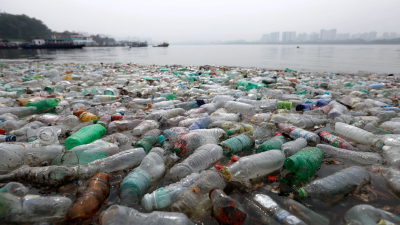
Sustainability also needs careful definition. The OECD Global Plastics Outlook reports that only 9% of global plastic waste was recycled in 2019. It also identifies packaging as the largest plastic-use sector, representing about 40% of demand. Therefore, ask whether the bottle uses recycled content, supports local recycling systems, and avoids unnecessary layers. A lighter bottle may reduce material use, but it may crush more easily. That trade-off deserves testing, not assumptions. I would also question whether a recyclable design is truly recyclable in your target market. Availability, cost, and performance may change the decision.
Compare Bottle Materials, Sizes, Shapes, and Closure Options

Choosing a small plastic bottle starts with the product, not the shape. PET offers strong clarity and a crisp shelf appearance. HDPE feels opaque, tougher, and more resistant to many chemicals. PP tolerates higher temperatures, but it may look less transparent. PlasticsEurope’s Plastics—The Fast Facts 2023 reports that packaging represented 39.3% of European plastics demand in 2022. That scale makes material efficiency important, even for small containers.

Size affects shipping, filling speed, and customer handling. A 30 ml bottle suits samples or concentrated products. A 100 ml bottle provides more value but needs stronger sidewalls and better grip. Grand View Research estimates the global plastic bottles market reached about US$76 billion in 2022, with continued growth through 2030. Small changes matter at that volume. A shorter, wider bottle can stand securely, while a tall bottle uses less shelf depth. It can also tip easily.

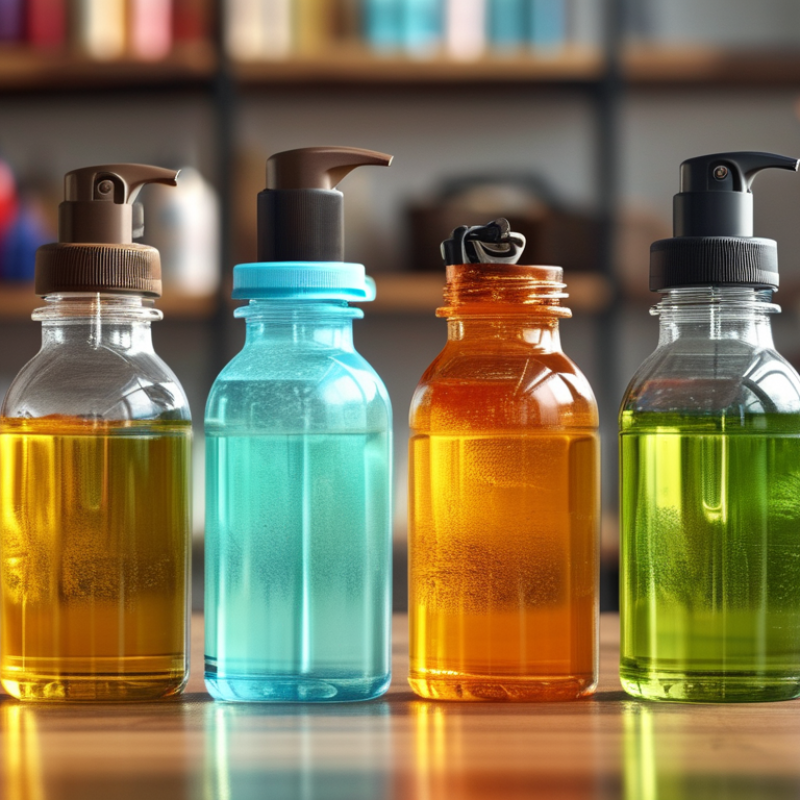
Shape should support real use. Rounded shoulders reduce product residue. Flat panels improve labeling. Closure selection needs equal attention: screw caps support repeated use, flip-tops allow one-handed dispensing, and pump closures control dosage. Match the neck finish carefully. A loose fit causes leakage; an overly tight closure frustrates users. Child-resistant features may be necessary for some products, depending on market rules. My first preference is often the clearest bottle, but clarity can expose sediment, scratches, and filling inconsistency. Test filled samples under warehouse heat, cold transport, and repeated opening before approving production. Small trials reveal expensive mistakes.

How to Choose Small Plastic Bottles for Your Business - Compare Bottle Materials, Sizes, Shapes, and Closure Options

1. Bottle Material Comparison
Material Appearance Strength and Impact Resistance Barrier Performance Typical Temperature Guidance Common Business Uses Important Considerations
PET Naturally clear and glossy; can also be tinted. Good stiffness and good resistance to breakage during normal handling. Good moisture and gas barrier for many beverages, personal-care products, and household liquids. Generally suited to ambient filling and storage; not normally selected for hot-fill applications unless a heat-set grade is specified. Cosmetics, beverages, sauces, supplements, and clear liquid products. May become brittle at low temperatures and can deform under excessive heat. Confirm chemical compatibility with the formulation.
HDPE Usually translucent or opaque with a naturally matte finish. Very good impact resistance and durable handling performance. Very good moisture barrier; gas and aroma barrier is lower than that of some other plastics. Typically suitable for ambient products and many warm-fill applications, subject to the bottle design and grade. Shampoos, cleaners, lotions, powders, agricultural products, and opaque liquids. Less transparent than PET. Stress cracking can occur with certain chemicals or under sustained load.
LDPE Translucent, soft, and flexible. Excellent squeeze performance and good resistance to impact; lower stiffness than HDPE. Good moisture barrier, but generally weaker gas barrier than PET. Suitable for ambient products and many low-temperature applications; verify the specific resin and formulation. Squeeze bottles, dispensing packs, travel products, sauces, and flexible personal-care packaging. Can dent or deform more easily. Its flexibility should be matched to the required dispensing force.
PP Translucent to opaque; clarity is normally lower than PET. Good chemical resistance and moderate-to-good impact resistance, depending on design and temperature. Good moisture barrier; gas barrier is moderate. Higher heat resistance than PE in many applications; exact limits depend on the grade, wall thickness, and closure system. Caps, jars, hot-fill-compatible containers, laboratory products, and chemical-resistant packaging. Can become less impact-resistant in cold conditions. Confirm dimensional stability before using with heated filling.
2. Common Small-Bottle Sizes and Suitable Applications
Nominal Capacity Approximate Fluid Volume Typical Product Uses Advantages Potential Limitations
5–15 mL Approximately 0.17–0.51 US fl oz Samples, serums, essential oils, concentrated treatments, and travel-size products. Low product usage per pack and convenient for sampling or short-term use. Small openings can make filling, labeling, and dispensing more difficult.
20–60 mL Approximately 0.68–2.03 US fl oz Cosmetics, hand sanitizer, medicines, concentrated cleaners, and personal-care products. Balances portability, shelf presence, and practical filling volume. May require a dispensing closure to control dose and reduce spills.
75–150 mL Approximately 2.54–5.07 US fl oz Shampoo, lotion, liquid soap, sauces, dressings, and household products. Useful for regular-use products while remaining relatively compact. Heavier shipping weight than sample sizes; package dimensions should be tested for retail shelves.
200–500 mL Approximately 6.76–16.91 US fl oz Beverages, body wash, cleaners, refill products, and food condiments. Better value per package and suitable for frequent-use products. Requires stronger sidewall design and more attention to closure sealing during transport.
3. Bottle Shape Selection Guide
Shape Handling and Storage Labeling Area Best-Suited Products Design Trade-Off
Round Easy to grip and generally strong against internal pressure. Curved labels or wrap-around labels are commonly used. Beverages, lotions, oils, and general-purpose liquids. Uses more shelf space than some rectangular designs and may roll during transport.
Oval Comfortable to hold and less likely to roll than a round bottle. Provides broad front and back panels for branding and instructions. Personal-care products, shampoos, conditioners, and household liquids. Non-uniform curvature can complicate automated labeling.
Square or Rectangular Stacks efficiently and uses shelf or carton space effectively. Large flat panels support easy label application and readable information. Cleaners, sauces, refill products, and products designed for efficient shipping. Corners may need reinforcement to prevent stress concentration and denting.
Cylinder with Shoulder Stable base with a familiar bottle profile and comfortable grip. Usually offers a consistent central label panel. Cosmetics, supplements, pharmaceutical liquids, and specialty products. Shoulder geometry can reduce usable labeling space and may affect filling-line alignment.
4. Closure Options for Small Plastic Bottles
Closure Type Dispensing Method Recommended Product Types Key Benefits Points to Verify
Screw Cap Open-mouth pouring or removal for direct access. Liquids, powders, tablets, and products requiring repeated opening. Simple, economical, and available in many neck sizes and liner configurations. Match the thread profile, liner, torque range, and sealing surface to the bottle neck.
Flip-Top Cap Controlled dispensing through a small orifice after pressing or lifting the lid. Shampoo, shower gel, lotion, sauces, and travel products. One-handed use and improved control compared with an open-mouth cap. Test hinge durability, leak resistance when inverted, and product residue around the orifice.
Disc-Top Cap Pressing one side opens a dispensing aperture. Personal-care liquids, lotions, and household products. Compact profile and convenient one-handed operation. Confirm opening force, cap alignment, and compatibility with the product viscosity.
Dropper or Treatment Pump Delivers drops or measured pump doses. Serums, oils, liquid supplements, and concentrated treatments. Supports controlled dosing and reduces the risk of over-dispensing. Test dose consistency, dip-tube length, seal integrity, and chemical compatibility of elastomer components.
Sprayer or Fine-Mist Pump Produces a spray or fine mist through a pump actuator. Fragrances, facial mists, cleaning solutions, and light liquid treatments. Provides broad, fine, or targeted application depending on the actuator design. Check viscosity limits, spray pattern, priming strokes, dip-tube fit, and accidental-activation protection.
Child-Resistant Closure Requires a specific push-and-turn or squeeze-and-turn action. Products requiring additional access protection under applicable regulations. Can reduce the risk of access by young children when properly designed and tested. Regulatory testing, senior-user accessibility, tamper evidence, thread compatibility, and torque must be confirmed.

Evaluate Safety, Durability, and Product Compatibility

Choosing small plastic bottles requires more than checking size and price. Safety starts with the intended product. Confirm the plastic type, closure material, colorants, and additives. Ask for food-contact or cosmetic-contact documentation when relevant. The OECD Global Plastics Outlook reports that packaging created about 40% of global plastic waste in 2019. That figure makes material efficiency important, but thinner walls are not automatically better.

Test product compatibility before ordering large quantities. Fill sample bottles and store them under expected conditions. Check for swelling, softening, leakage, odor transfer, discoloration, and changes in the product’s viscosity. Essential oils, alcohol-based formulas, acids, and oily products can behave differently. A bottle may look perfect on day one. It may fail after three weeks. I would not trust a visual inspection alone. Laboratory migration testing can provide stronger evidence, especially for products touching skin or food.

Durability needs practical testing. Use repeated drop tests, cap-torque checks, squeeze tests, and transport simulations. ASTM D4169 offers a structured approach for distribution testing, while the International Safe Transit Association reports that packaging performance should reflect real shipping hazards. The right bottle should survive warehouse stacking, vibration, temperature changes, and ordinary customer handling. Overlooking the cap is a common mistake. A strong container with a weak closure still creates leaks, waste, and customer complaints. Recycled content may support sustainability goals, but its consistency must be verified batch by batch. This part is easy to underestimate.

Review Customization, Branding, and Regulatory Requirements

How to Choose Small Plastic Bottles for Your Business

Customization should begin with function, not appearance. Check the bottle’s capacity, neck size, wall thickness, and closure fit. A sample filled with your actual product can reveal leaks, distortion, or poor dispensing. Clear plastic may display the contents attractively, but light-sensitive products may need an opaque option. The material must also suit the formula, especially if it contains oils, alcohol, or acidic ingredients. In practical sourcing, small design changes can affect filling speed and shipping damage. I once underestimated label curvature. The artwork looked fine on screen but wrinkled during application.

Branding should remain useful. Choose a readable label area with enough space for product details, batch codes, and directions. Test ink adhesion after handling, condensation, and routine cleaning. A consistent bottle shape can strengthen recognition across product sizes. However, attractive packaging cannot replace accurate information. Confirm that symbols, claims, warnings, and language requirements match each sales market. Requirements can vary by product category and location, so consult current official guidance or a qualified compliance professional before production. Keep supplier specifications, test results, and approval records in one controlled file.

Tips: Request samples from more than one production batch. Measure each bottle and test the closure repeatedly. Ask for material declarations and food-contact or cosmetic documentation when applicable. Review recycling marks carefully; local systems may not accept every plastic type. Leave time for label revisions. Small errors become expensive after mass production.

Assess Suppliers, Costs, Minimum Orders, and Delivery Terms

Small plastic bottles can look inexpensive until freight, tooling, and rejected samples appear.

Assess suppliers through three practical checks: material consistency, documented quality controls, and delivery performance. Request recent batch records, resin specifications, closure-fit tests, and photographs of packed cartons. A supplier quoting 100,000 bottles may seem attractive, but a 10,000-unit trial can reveal leakage, uneven walls, or poor labeling surfaces.

Cost comparisons need more than unit price. Add mold charges, color matching, inspection, inland transport, customs, and storage. The OECD’s Global Plastics Outlook reports that packaging creates about 40% of plastic waste, so recycled content or lighter designs may support both resource efficiency and customer expectations. However, verify claims with certificates.

“Eco-friendly” is not a purchasing specification. Ask for the exact percentage, testing method, and responsible party.

Tips: Compare at least three written quotations. Separate one-time costs from recurring costs. Confirm minimum order quantities and reorder levels before signing. Delivery terms should state production days, shipping responsibility, inspection rights, and remedies for delays. The International Chamber of Commerce’s Incoterms rules clarify cost and risk transfer, but they do not guarantee product quality. Build a small safety stock for seasonal demand. This is not perfect forecasting. A spreadsheet can still mislead when demand changes suddenly. Record actual lead times after every shipment, then revise the supplier score quarterly.

Scroll to Top