How to Choose Amber Glass Jars for Global Sourcing?
Choosing amber glass jars for global sourcing requires more than comparing prices and photographs. Amber color helps reduce light exposure, but protection depends on glass composition, wall thickness, closure fit, and filling conditions. The jar must also match the product’s sensitivity, viscosity, temperature, and expected shelf life.
Industry data supports careful evaluation. Grand View Research’s glass packaging analysis estimates that the global glass packaging market reached tens of billions of dollars in recent years and will continue growing through 2030. Smithers’ “Future of Glass Packaging” research also highlights pharmaceutical, food, beverage, and personal-care demand as important market drivers. These reports show scale, not suitability. A growing market does not guarantee consistent quality from every supplier.
A reliable sourcing review should request glass type, hydrolytic resistance data, light-transmission results, dimensional drawings, and closure compatibility. For pharmaceutical or cosmetic applications, suppliers should provide traceability records, inspection procedures, and relevant quality certifications, such as ISO-based systems. Food-contact projects require destination-market compliance documents, including applicable European or United States requirements. Small details matter. A two-millimeter neck difference can disrupt a filling line. Weak cartons can create chipped rims before arrival. Freight tests, pallet patterns, and sample inspections deserve equal attention. Cost is only one variable.
There is an uncomfortable point here. The darkest jar is not always the safest choice. Overemphasized color can hide poor sealing or inconsistent glass thickness. A better decision balances protection, usability, compliance, and total landed cost. That balance may require revising the original specification.
Define Amber Glass and Its Protective Properties
How to Choose Amber Glass Jars for Global Sourcing?
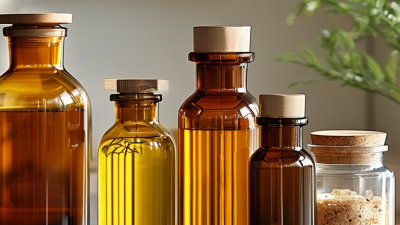
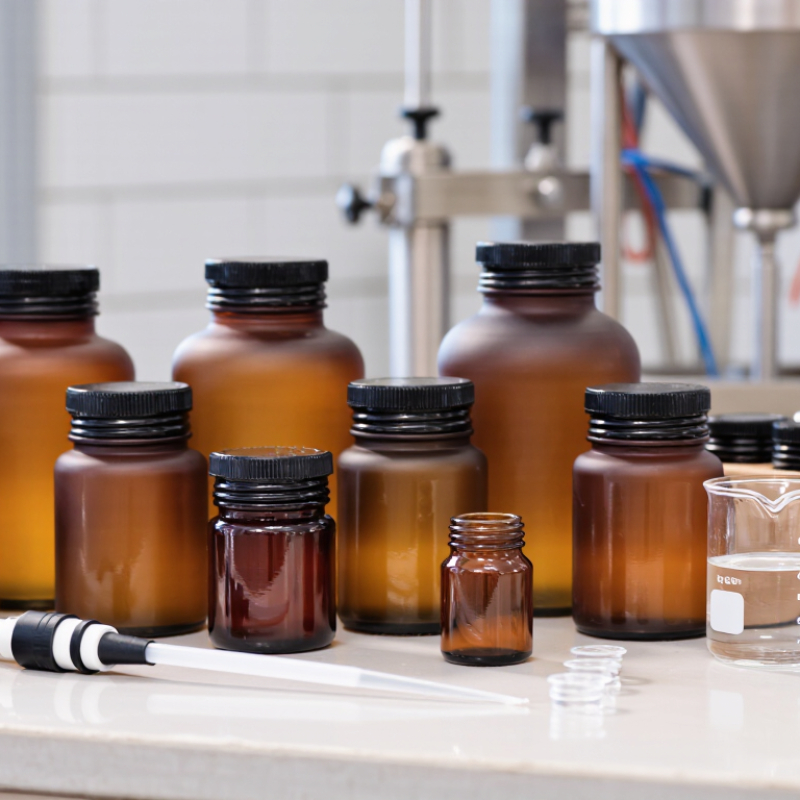
Amber glass is usually soda-lime or borosilicate glass colored with iron, sulfur, and carbon compounds. Its brown tone absorbs much ultraviolet and short-wavelength visible light. This helps reduce photodegradation in light-sensitive contents, including oxidation, fading, and potency loss. It is not a complete light barrier.
The U.S. Pharmacopeia’s General Chapter <671> requires light-transmission testing for selected packaging systems. Buyers should request the supplier’s spectral transmission curve, not rely on appearance alone. A darker jar is not automatically safer. Glass thickness, wall uniformity, closure fit, and filled volume also influence protection. In practical sourcing reviews, small neck defects often matter more than a visually attractive color.
Grand View Research estimated the global glass packaging market at over USD 60 billion in 2022, showing the scale of international supply and quality variation. For global purchasing, compare samples from different production lots. Check amber color consistency, hydrolytic resistance, dimensional tolerance, and breakage rates during transport. I once assumed color proved performance; that was too simplistic. Ask for USP <671> test evidence, batch records, and migration documentation. Also confirm whether the cap liner blocks light. The jar cannot compensate for a transparent closure. Test real contents under controlled light when possible. Supplier claims are useful, but measured evidence is better.
Match Jar Types to Product, Volume, and Storage Requirements
How to Choose Amber Glass Jars for Global Sourcing?
Choosing amber glass jars starts with the product, not the catalog image. Light-sensitive creams, oils, and dry powders may need different jar shapes and closures. A wide-mouth jar suits thick products and allows clean filling. A narrow opening reduces exposure but can slow production. For liquid products, check whether the neck accepts a compatible liner, pump, or tamper-evident closure. Small volumes often need precise dosing. Larger volumes require stronger walls and stable bases.
Match jar capacity to actual fill volume, not the label size. Leave enough headspace for expansion, settling, and safe closure placement. A 30 ml jar may not hold 30 ml during automated filling. Test the product at its real viscosity and temperature. I have seen attractive jars fail because the shoulder trapped thick material. Small details matter.
Storage conditions also change the specification. For hot warehouses, cold transport, or long sea shipments, request thermal shock and pressure testing. Check color consistency, wall thickness, closure fit, and breakage rates across production batches. Ask for samples from more than one batch. One sample can mislead. Pallet design deserves attention too; weak dividers may cause damage before the jars reach the destination. I would also review technical documents and supplier inspection records, while accepting that no test predicts every handling mistake.
Evaluate Glass Quality, Closures, and Product Compatibility
When choosing amber glass jars for global sourcing, inspect more than color and appearance.
Amber glass should protect light-sensitive formulas, but shade consistency can vary between production batches. Ask for glass composition, wall thickness, neck dimensions, and hydrolytic resistance records. Check the base for uneven spots, bubbles, cracks, and sharp edges. These small defects can become costly during filling or transport.
Closures deserve the same attention.
Match the cap to the jar’s neck finish, then test the liner against the product. Oils, alcohol-based formulas, creams, and water-based liquids may interact differently with sealing materials. A tight cap is not automatically a reliable cap. Conduct leak tests after filling, tightening, and storing samples in warm and cool conditions. Use drop tests for packed units. Real transport is rougher than a warehouse shelf.
Product compatibility needs practical evidence.
Fill trial jars with the actual formula, not only water. Observe odor changes, discoloration, swelling, leakage, and difficult opening over time. I once approved a visually attractive sample too quickly; the closure later became stiff after storage. That mistake was avoidable. Request batch samples, inspection reports, and clear tolerances before placing a large order. Specifications can still miss real-world handling, so keep a small reserve for repeated testing.
Verify Global Sourcing Standards, Testing, and Supplier Capability
When choosing amber glass jars for global sourcing, verify more than color and price. Amber glass should provide consistent light protection across production batches. Ask for the glass composition, thickness tolerance, and hydrolytic resistance data. Short samples can hide variation.
Request test reports linked to a specific batch, not generic files. Check dimensional inspection, thermal shock resistance, leakage performance, and closure compatibility. For cosmetic, food, or pharmaceutical applications, confirm the applicable safety and contact requirements in each destination market. Independent laboratory testing adds credibility, especially for migration or extractables concerns. Good paperwork matters.
Supplier capability also needs practical review. Examine production capacity, furnace stability, mold control, inspection equipment, and batch traceability. Ask how defects are classified and how corrective actions are recorded. A factory audit should include storage conditions, packaging protection, and loading procedures. Jars can pass inspection and still arrive chipped.
I have learned to compare actual production samples with approved samples after transport trials. That step is easy to skip. Do not rely only on polished presentations. Review quality certificates, test frequency, complaint history, and realistic lead times. A supplier that admits limitations may be more reliable than one promising perfect results. Still, every claim needs evidence.
Compare Costs, Logistics, Packaging, and Import Requirements
A 250 ml amber glass jar may look inexpensive at the factory gate. The real cost includes closures, cartons, pallets, freight, insurance, duties, and inspection fees. I compare landed cost, not unit price. My early spreadsheet missed pallet height and added two unexpected freight charges. That mistake was costly. Glass is heavy, so cubic volume and total weight can change shipping economics quickly.
For overseas orders, request a packaging specification with carton strength, divider material, pallet dimensions, and stacking limits. Use molded separators or tested partitions for fragile jars. Ask for drop-test records when possible. A damaged shipment creates replacement costs and delays, even when the purchase price seems attractive. Amber glass also needs consistent color and wall thickness. Small variations can affect shelf appearance and filling-line performance.
Import requirements depend on the destination and the product’s intended use. Confirm the correct tariff classification with a qualified customs professional before ordering. Prepare a commercial invoice, packing list, transport document, and origin information. Products used for food, cosmetics, or other regulated applications may need material declarations and safety documentation. Labels, closures, and contact materials should match local rules. Requirements can change, and supplier assumptions are not legal advice. I would verify every document before production, because correcting paperwork after loading is rarely simple.