What Are the Best Small Glass Jars from China?
Choosing the best small glass jars from China requires more than comparing catalog photographs. A jar may look elegant online, yet feel surprisingly thin in your hand. Its lid may also fit poorly. The right choice depends on glass clarity, wall thickness, neck finish, closure performance, decoration quality, and documented food-contact suitability. These details influence safety, shelf appeal, filling efficiency, and customer trust.
Packaging consultant Andrew Streeter offers a useful principle: “The package must protect the product before it promotes it.” That idea matters when evaluating small glass jars for honey, spices, cosmetics, candles, samples, or specialty foods. Strong suppliers should provide clear dimensions, weight tolerances, closure options, sample approval, and batch consistency records. Ask for physical samples. Test the seal. Check whether labels wrinkle around the shoulders. Small defects become expensive when thousands of units arrive.
China has many capable glass manufacturers, but quality varies between factories and even production batches. A low quotation is not automatically a smart purchase. Sometimes, it hides weaker glass, limited inspection, or expensive packaging adjustments later. I have found that practical testing often reveals more than polished product pages. Still, one test is never enough. Different products need different jar shapes, caps, liners, and protection during transport. The “best” supplier is therefore not simply the cheapest or largest. It is the manufacturer that communicates honestly, supports traceable quality checks, and can repeatedly deliver small glass jars matching your approved sample. That standard sounds demanding. It should.
Types of Small Glass Jars Made in China
What Are the Best Small Glass Jars from China?
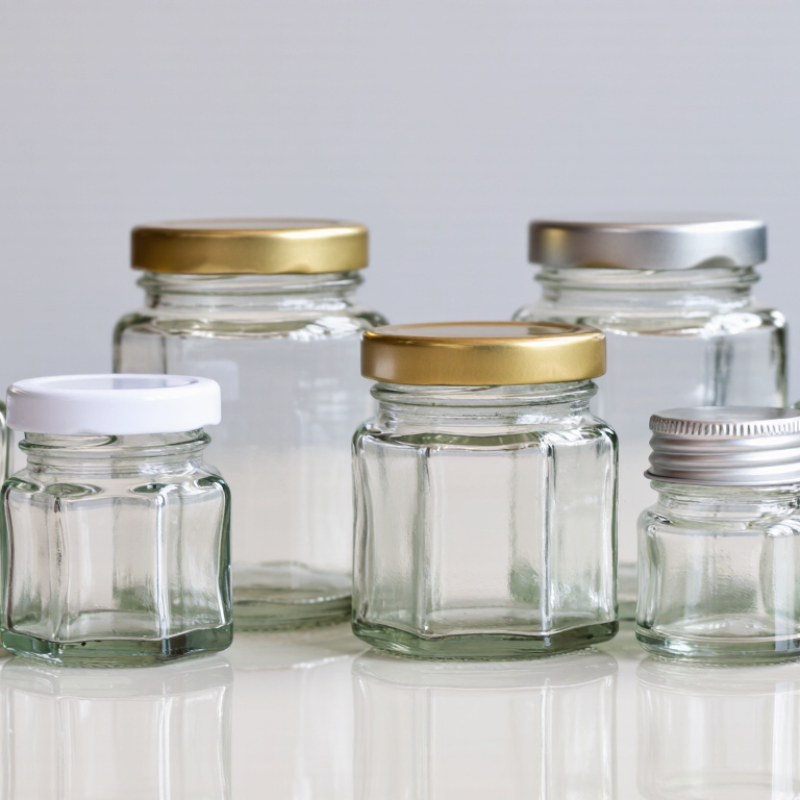
Small glass jars made in China come in several practical types. Mini food jars suit honey, spices, jams, and sauces. Their wide mouths make filling and cleaning easier. Sample jars hold creams, powders, or small product portions. These often use lightweight glass with screw caps. Glass thickness still matters.
Cosmetic jars usually have short, round bodies and smooth inner walls. They may include plastic, aluminum, or glass lids. Candle jars need stronger heat resistance and stable bases. Borosilicate glass performs well during repeated temperature changes. Soda-lime glass costs less and suits many everyday uses. Always check the intended application.
Pharmacy-style jars offer amber, green, or clear glass options. Darker glass can reduce light exposure for suitable contents. Storage jars may use airtight liners under metal lids. Ask Chinese manufacturers for drawings, closure samples, and food-contact documents. Inspect rim smoothness, capacity, wall thickness, and leakage resistance. A reliable supplier should explain testing methods clearly.
In my sourcing experience, appearance can hide small defects. A beautiful jar may have an uneven neck. That causes filling problems. Request production samples before placing a large order. Compare ten pieces, not just one. I once treated color consistency as a minor issue, but shelf displays showed every variation. Packaging also deserves attention. Dividers and strong cartons reduce chips during transport. Yet no factory can eliminate every breakage risk. Forecasting that risk honestly is better than promising perfection.
Key Features of High-Quality Chinese Glass Jars
High-quality small glass jars from China should begin with material consistency, not appearance alone. Clear or amber glass must show even walls, smooth rims, and minimal bubbles or stones. These details affect filling, sealing, and shelf presentation. The International Organization for Standardization recommends controlled checks for glass container dimensions and defects under ISO 12818. Buyers should request batch samples, not one attractive sample.
Performance matters more than shine. A reliable jar should tolerate normal filling temperatures and resist thermal shock during handling. Its neck finish must match the selected cap, liner, and torque range. According to Grand View Research’s 2023 Glass Packaging Market report, the global market was valued at about 55.6 billion dollars in 2022. This scale increases demand for lighter, stronger, and more recyclable packaging. Chinese manufacturers increasingly use automated inspection, but inspection quality still varies between factories. Verify it.
Recyclability is another practical feature. FEVE’s European container-glass data reported an average collection rate above 80 percent in 2022, showing the value of compatible glass systems. For small jars, ask about recycled-content availability, food-contact documentation, and migration testing. The Glass Packaging Institute states that glass is infinitely recyclable without loss of purity. Still, that claim does not replace factory audits. Check wall thickness at the shoulder, base, and thread. Confirm drop-test results with filled jars. A minor mismatch can cause leakage, wasted labels, or broken stock. The overlooked detail is often the closure fit.
How to Choose the Right Jar for Your Product
The best small glass jars from China should fit your product, not merely your budget.
Start with the product’s texture, weight, and filling temperature. Thin oils need a clean inner surface and a reliable seal. Thick creams need a wider neck for easier filling and removal. Small details matter.
Choose the capacity carefully.
A 30 ml jar may look attractive, but unused headspace can make it feel poorly filled. Check the glass type, wall thickness, neck finish, and closure material. For food products, request suitable material documentation and confirm compatibility with your local requirements. For cosmetics, ask about chemical resistance, odor transfer, and surface treatment. Do not rely on photos alone.
Request physical samples before placing a larger order.
Fill them with your actual product. Test the cap after repeated opening, shaking, and short storage. Then inspect the jar for leakage, scratches, uneven color, and difficult threads. I once focused too much on appearance and overlooked the lid’s grip. That small mistake affected daily use. A practical supplier should provide clear drawings, packing details, inspection standards, and realistic production timelines. Confirm carton strength as well, especially when jars travel long distances. Clear records help prevent confusion, although they cannot replace hands-on testing. A rushed choice can create expensive waste.
Top Chinese Suppliers and Manufacturing Regions
What Are the Best Small Glass Jars from China?
The best small glass jars from China usually come from suppliers with stable forming lines and strong quality controls. For buyers, supplier capability matters more than attractive catalog photos. Ask for samples with matching lids, measured dimensions, glass thickness, and closure compatibility.
Samples matter.
A jar may look clear online but show bubbles, uneven rims, or weak threads in production.
Jiangsu, especially Xuzhou, is well known for glass packaging production and large-scale factory capacity. It can suit buyers needing consistent volumes and standard jar shapes.
Zhejiang has many experienced packaging manufacturers, often offering flexible decoration, labeling, and closure options.
Shandong also serves food and household packaging markets, with competitive pricing for common sizes.
Guangdong is useful when buyers need faster access to southern export channels, custom packaging, or coordinated accessories.
A reliable supplier should provide food-contact documentation when required, factory inspection records, and clear testing procedures. Check the neck finish carefully. Small differences can prevent lids from sealing properly.
Confirm minimum order quantities, mold ownership, pallet packing, breakage rates, and replacement terms before payment.
I have found that low quotations sometimes exclude cartons, caps, inspection, or port handling. That makes comparisons misleading.
No supplier is perfect, and even experienced factories can have inconsistent decoration batches. Request a pilot order, inspect several cartons, and record defects by type.
This slower step can prevent expensive corrections later.
Quality Checks, Pricing, and Import Considerations
Small glass jars from China can be cost-effective, but quality varies by factory and specification. Mordor Intelligence estimates the global glass packaging market at about USD 82.5 billion in 2024, with continued growth through 2029. Grand View Research reports a different market size because its scope differs. That gap matters. Market figures are estimates, not guarantees.
Request samples with the exact glass weight, neck finish, closure, and decoration. Check for chips, bubbles, uneven walls, sharp rims, and lid misalignment. A practical inspection can follow ISO 2859-1 sampling principles. Test filled jars for leakage, drop resistance, and thermal shock. Ask for food-contact documentation when the jars will hold consumable products. Do not rely on photographs alone. Glass often looks perfect on a screen.
Pricing depends on capacity, mold costs, order quantity, packaging, and delivery terms. A low unit price may hide expensive tooling or breakage losses. Ask for an FOB or DDP comparison, then calculate landed cost using freight, duties, inspection fees, and local taxes. UN Comtrade trade data can help benchmark import values under HS code 7010, although classification should be confirmed with a customs professional. Confirm pallet dimensions and carton strength before ordering. One weak carton can erase the factory discount. I would also keep a small reserve for damaged units, because even careful forecasts can be wrong.