10 Best Glass Jars for Wholesale Buyers?
Choosing among the 10 Best Glass Jars for Wholesale Buyers requires more than comparing prices. A jar may look attractive online, yet feel fragile when packed, stacked, and shipped. Wholesale buyers must examine glass thickness, neck finish, closure compatibility, capacity, pallet efficiency, and consistent supply. These details affect breakage, filling speed, labeling, and customer satisfaction.
A useful industry perspective comes from Scott DeFife, President and CEO of the Glass Packaging Institute. He states, “Glass is 100% recyclable and can be recycled endlessly without loss in purity or quality.” That sustainability advantage matters, but it should not replace practical testing. A recyclable jar can still create problems if its lid leaks or its dimensions waste warehouse space.
The strongest choices balance appearance and performance. Clear glass supports product visibility. Amber glass helps protect light-sensitive contents. Wide-mouth designs simplify filling and cleaning, while straight-sided jars improve label placement. Small jars suit samples, spices, and cosmetics. Larger formats serve sauces, candles, dry foods, and specialty products.
There is no universal winner.
A wholesale buyer should request samples before placing a large order. Check the jar’s weight, rim quality, closure seal, and carton protection. Drop testing is also sensible, even when suppliers provide specifications. Some “best” lists oversimplify these decisions. Real purchasing conditions are messier.
This guide compares ten practical glass jars using durability, usability, presentation, packaging efficiency, and supply reliability. The final choice should match the product, sales channel, and handling environment.
Understanding Glass Jar Types for Wholesale Purchasing
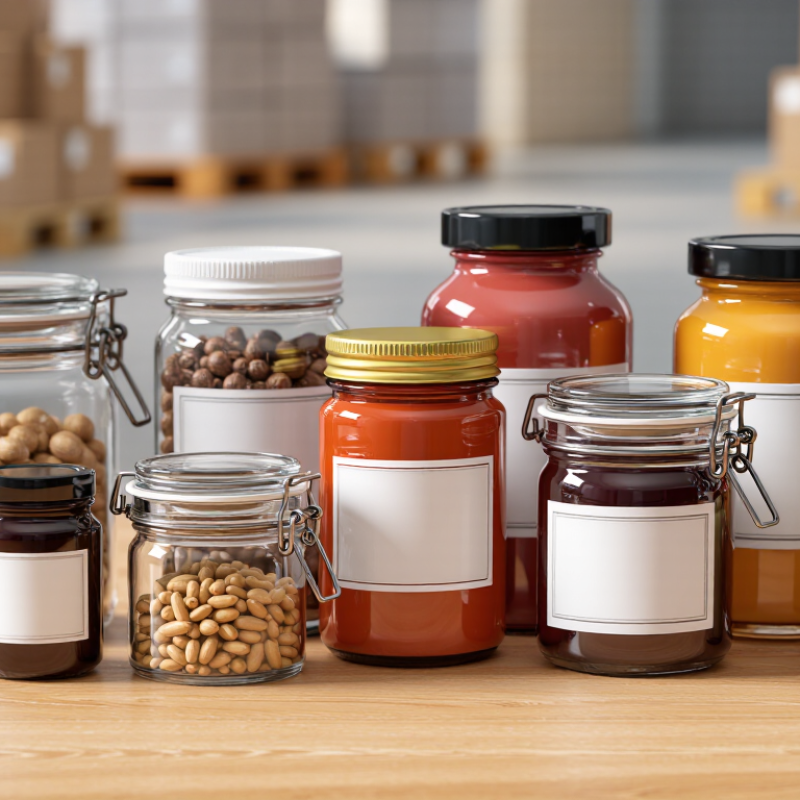
Understanding glass jar types is essential when selecting the ten best options for wholesale buyers. Most food and cosmetic jars use soda-lime glass, valued for strength, clarity, and cost control. Flint glass shows product color clearly. Amber glass reduces light exposure. Green glass offers a distinctive appearance, but color consistency can vary slightly between batches.
Jar shape also affects filling, storage, and shipping. Wide-mouth jars suit thick products and simplify cleaning. Narrow-neck jars reduce exposure during pouring. Straight-sided jars maximize shelf space and labeling area. According to Grand View Research, the global glass packaging market was valued at about 60.63 billion dollars in 2023. This growth reflects continuing demand for reusable-looking and recyclable packaging. Still, appearance alone should not determine a wholesale purchase.
Closure compatibility deserves careful testing.
A jar may look suitable, yet its cap can leak after temperature changes. Request samples and test filled units during stacking, transit, and repeated opening. The U.S. Environmental Protection Agency reported a glass container recycling rate of 31.3% in 2018, showing that recycling access remains uneven. Glass is widely recyclable, but local collection systems matter. I would also compare pallet weight, breakage rates, neck finish, and minimum order quantities. The lowest unit price can become expensive after damaged shipments. Slightly imperfect data and inconsistent logistics are realities buyers should examine rather than ignore.
Key Features That Define a High-Quality Glass Jar
For wholesale buyers, a high-quality glass jar begins with controlled material performance, not attractive photography. The glass should look clear, consistent, and free from bubbles, stones, cracks, or sharp rim defects. A reliable supplier should provide wall-thickness tolerances and batch inspection records. Small variations matter.
Grand View Research estimates the global glass packaging market will grow at a 4.7% compound annual rate from 2024 to 2030.
This growth increases pressure on suppliers to deliver stable, scalable quality. Check the jar’s neck finish carefully. The cap must close evenly, without cross-threading or visible gaps.
For food or cosmetic applications, buyers should request migration testing, thermal-shock results, and documented material specifications. These records demonstrate expertise beyond basic visual inspection.
Packaging sustainability also deserves practical attention. The U.S. Environmental Protection Agency reported a 31.3% recycling rate for glass containers in its latest detailed national dataset. Recycled content can reduce resource demand, but it may also affect color and consistency. Ask whether recycled glass percentages remain controlled between production batches. Pallet strength, carton dividers, and drop-test results protect quality during shipping. A beautiful jar that arrives chipped is not a quality product. I have seen suppliers focus heavily on appearance while overlooking closure compatibility. That mistake is expensive. Buyers should compare samples under real filling, sealing, stacking, and transport conditions before approving large orders.
Comparing the 10 Best Glass Jar Options for Different Uses
10 Best Glass Jars for Wholesale Buyers?
Choosing among the 10 best glass jar options depends on the product, filling process, and customer experience. Grand View Research estimated the global glass packaging market at about USD 75 billion in 2023. That scale reflects continuing demand for durable, recyclable containers across food, beverage, cosmetic, and household categories. Still, no jar wins every shelf.
Wide-mouth jars suit sauces, spices, preserves, and products requiring easy spoon access. Their straight walls improve filling efficiency and label placement. Tall narrow jars work better for beverages, syrups, and premium pantry goods. For creams or balms, low-profile cosmetic jars offer controlled access and a stable base. Amber glass helps limit light exposure for sensitive formulas, while clear glass creates visible product appeal. The choice is practical, not decorative.
FEVE reports that glass packaging is permanently recyclable without quality loss, supporting circular procurement goals. However, wholesale buyers should check actual recycled content, closure compatibility, pallet strength, and breakage records. A heavy jar may feel premium but increase freight costs. That assumption can fail. ASTM packaging tests and supplier drop-test data can reveal weaknesses before a large order. For high-volume food use, confirm thermal-shock resistance and food-contact documentation. For personal-care use, test the liner, cap fit, and dispensing speed with the real formula. Small trials matter. Shelf appearance alone is not enough.
10 Best Glass Jars for Wholesale Buyers
Comparing common glass jar capacities for food, beverage, cosmetic, and storage applications.
The chart compares ten commonly available nominal jar capacities. Smaller jars are suited to spices, samples, cosmetics, and condiments, while larger formats are generally used for preserves, dry goods, beverages, and bulk storage. Actual fill capacity, dimensions, and closure specifications may vary by supplier and jar design.
Choosing the Right Glass Jar Supplier for Your Business
Choosing the Right Glass Jar Supplier for Your Business
A strong supplier matters more than a polished product photo.
Grand View Research projects the global glass packaging market to grow at
about 4.5% annually through 2030.
That growth increases supplier competition, but not necessarily supplier quality. Request production samples before discussing large orders. Check the jar’s weight, wall thickness, neck finish, and base stability. Samples reveal defects.
Your supplier should provide clear tolerances, closure compatibility, batch records, and food-contact or cosmetic-use documentation when required. Ask about minimum order quantities, mold charges, lead times, pallet protection, and replacement policies. A practical quality agreement should define inspection standards, including acceptable cosmetic defects and breakage limits. Do not guess. Measure.
Sustainability also deserves evidence, not slogans.
The European Container Glass Federation reported an approximately
80% glass packaging recycling rate in Europe for 2022.
Ask whether the supplier uses recycled cullet, and request supporting data rather than broad environmental claims. Review its factory audit process, corrective-action records, and export experience. A supplier with stable furnace capacity may cost more, but inconsistent deliveries can damage your inventory planning. I would still test every new batch, even after a successful first shipment. Glass can look identical while performing differently under filling, transport, or temperature changes. Supplier selection is not a one-time ranking exercise; it is an ongoing quality decision.