2025 How to Choose the Best Cosmetic Containers for Your Products
In the competitive world of cosmetics, the importance of selecting the right cosmetic containers cannot be overstated. Packaging plays a vital role not only in preserving the integrity of products but also in influencing consumer perception and brand image. As trends evolve and sustainability becomes a priority, the decision-making process for choosing cosmetic containers has become more complex. In 2025, businesses must consider various factors, such as material types, functionality, and design aesthetics, to appeal to an increasingly discerning customer base.
The ideal cosmetic container should balance practicality with visual appeal, ensuring that the product remains safe for use while also standing out on the shelf. Furthermore, the growing demand for eco-friendly packaging options presents an opportunity for brands to align with consumer values and differentiate themselves in a crowded market. As businesses navigate these challenges, understanding the diverse options available in cosmetic containers and their respective benefits will be essential for making informed choices.
Ultimately, selecting the best cosmetic containers is crucial not only for effective product delivery but also for fostering customer loyalty and trust. This article will explore key considerations and trends in the realm of cosmetic containers, helping brands to make strategic decisions that resonate with their targeted audience.
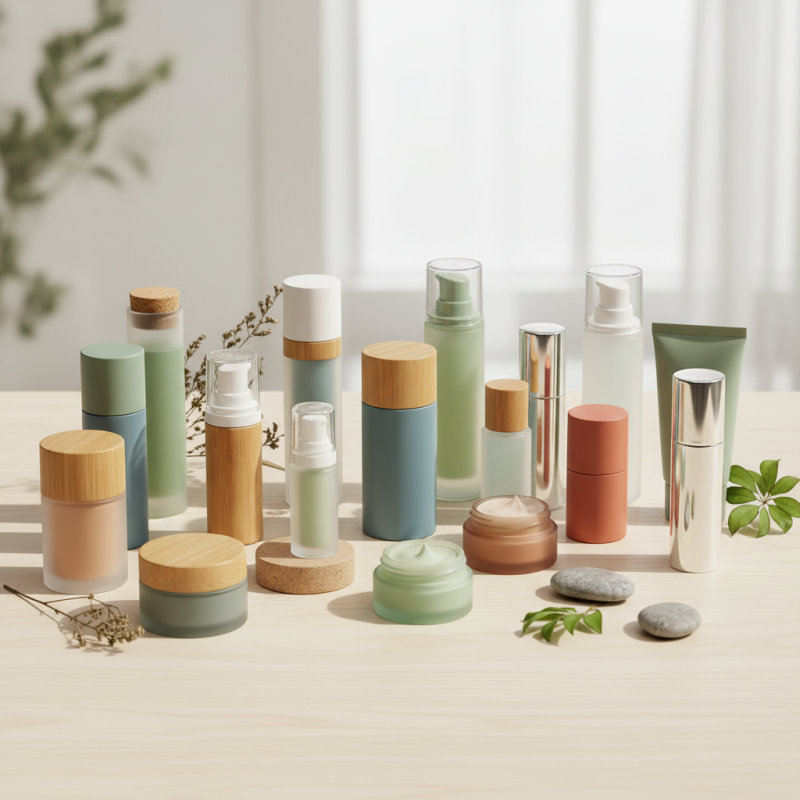
Understanding Different Types of Cosmetic Containers Available in 2025
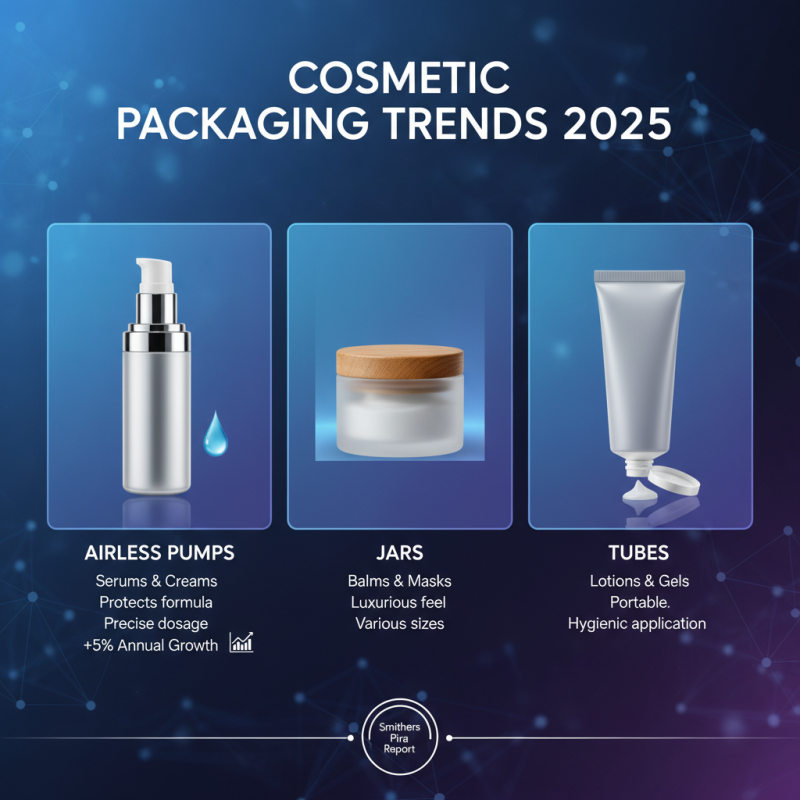
In 2025, the cosmetic packaging industry continues to evolve, offering a variety of container types that cater to both aesthetics and functionality. Key options include airless pumps, jars, and tubes, each serving distinct purposes for different types of formulations. Airless pumps, for instance, not only enhance product longevity by minimizing exposure to air and light but also deliver a precise dosage, making them ideal for serums and creams. According to a recent industry report by Smithers Pira, the global demand for airless packaging solutions is projected to increase by over 5% annually, driven by consumer preference for high-end products.
Jars and tubes also remain popular choices within the sector. Jars, often used for lotions and balms, offer a luxurious presentation, thus appealing to niche markets focused on intimate and personalized skincare. Meanwhile, tubes are favored for their convenience and ease of use, particularly for creams and sunscreens. The same report indicates that flexible packaging, including tubes, is expected to dominate the market, comprising nearly 40% of the total cosmetic container market share by 2025. This surge underscores a shift towards practicality and sustainability, as brands are increasingly conscious of environmentally friendly materials and designs.
Understanding these options allows brands to make informed decisions that align with consumer expectations and emerging trends in sustainability. The choice of packaging not only impacts the overall consumer experience but also plays a vital role in product preservation and brand positioning in a competitive market.
Key Factors to Consider When Choosing Cosmetic Containers for Your Products
When selecting cosmetic containers for your products, several key factors come into play to ensure that your packaging not only preserves the quality of your products but also appeals to your target audience. One of the primary considerations is the material of the containers. Options like glass, plastic, and metal each have their unique advantages. Glass offers an upscale feel and excellent preservation qualities, while plastics are lightweight and often more affordable. It's essential to align the material with the product's branding and user experience.
Additionally, you should consider the container's functionality and ease of use. Can users easily dispense the product without wasting it? For example, airless pump bottles are great for creams as they minimize exposure to air, maintaining the integrity of the formula.
**Tips:** Always think about the size of the container in relation to your target market. Smaller sizes can appeal to consumers wanting to try new products without a large commitment, while larger sizes may attract loyal customers looking for value. Also, ensure that the container provides a good user experience; sturdy closures and easy-to-use dispensing mechanisms can elevate customer satisfaction.
Lastly, aesthetics play a crucial role in customer attraction. The design and color of the container should reflect the brand's identity and appeal to the target demographic. By considering these factors carefully, you can choose cosmetic containers that enhance your product's appeal and functionality.
2025 Cosmetic Container Trends
Sustainability and Eco-Friendly Options in Cosmetic Packaging Trends
As awareness of environmental issues continues to grow, the cosmetic industry is undergoing a significant transformation towards sustainability. In recent years, studies have shown that approximately
74% of consumers are willing to pay more
for products packaged in eco-friendly materials. This shift in consumer behavior presents both a challenge and an opportunity for brands looking to stay relevant in 2025 and beyond. The demand for
sustainable cosmetic containers
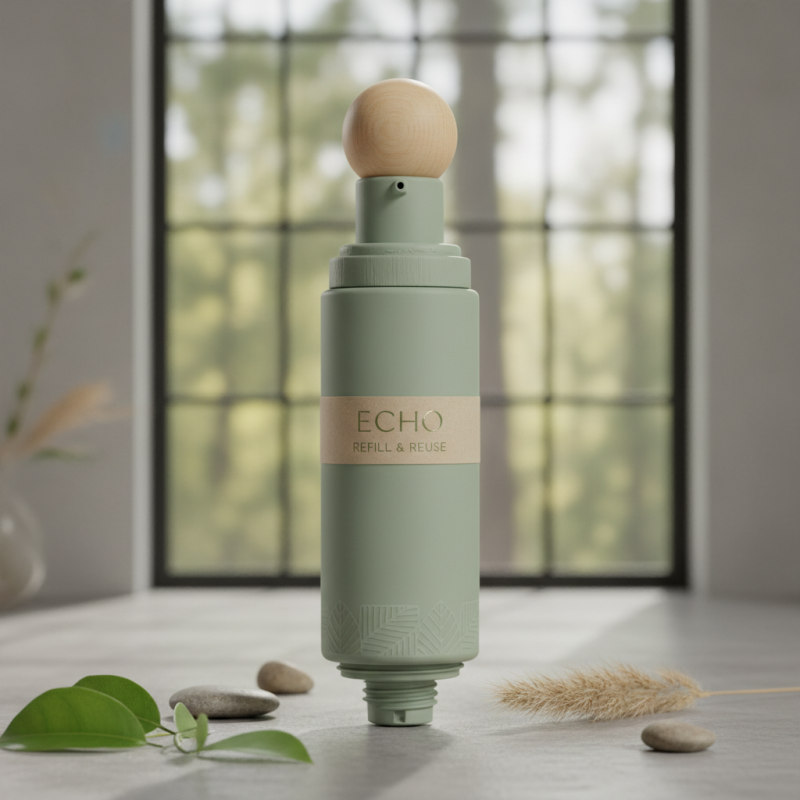
has led to innovations in packaging materials, such as biodegradable plastics, glass, and recycled paper options. Additionally, refillable containers are gaining traction, allowing consumers to reuse packaging and reduce waste.
The 2023 Global Packaging Trends report indicates that the market for sustainable packaging in the cosmetics sector is projected to grow at a
CAGR of 6.5%
over the next five years. This growth is fueled by an increasing regulatory focus on reducing plastic waste and the environmental footprint of products. As brands consider their packaging strategies, investing in eco-friendly options not only meets consumer demands but also enhances brand reputation.
Some notable trends include the use of
plant-based inks
and the implementation of
minimalist designs,
which resonate with eco-conscious consumers. By prioritizing sustainability in their packaging choices, companies can contribute to a greener future while aligning with the values of their customer base.
Market Insights: Consumer Preferences for Cosmetic Container Designs in 2025
In 2025, consumer preferences for cosmetic container designs are becoming increasingly sophisticated, reflecting a shift towards sustainability and functionality. Modern consumers are actively seeking packaging that not only aligns with their values but also enhances their overall product experience. Eco-friendly materials, such as biodegradable plastics and glass alternatives, have gained popularity as consumers prioritize environmental responsibility. Additionally, refillable containers are on the rise, allowing users to reduce waste and contribute to a circular economy, making these options highly desirable.
Moreover, the aesthetic aspect of cosmetic containers plays a crucial role in consumer selection. Designs that combine elegance with practicality tend to capture attention, emphasizing clean lines, minimalistic features, and innovative closures. Personalization is another emerging trend, with consumers appreciating the ability to customize their containers for a unique shopping experience. Furthermore, clear labeling and transparency around ingredient sourcing in packaging design can significantly influence purchasing decisions, as informed consumers seek products that meet their ethical and health standards. As we move forward, it will be essential for brands to adapt to these evolving preferences to resonate with their target audience effectively.
The Impact of Packaging Materials on Product Shelf Life and Safety in Cosmetics
The choice of packaging materials for cosmetic products plays a crucial role in determining their shelf life and safety. Different materials interact uniquely with the formulations inside, potentially affecting their stability and effectiveness. For instance, glass containers offer an inert environment, minimizing chemical reactions and protecting delicate formulations from light exposure. In contrast, certain plastics might leach chemicals, leading to degradation of the product or adversely affecting skin safety. Hence, selecting the right packaging material is essential for preserving the integrity of cosmetic formulations.
Moreover, the impact of packaging extends beyond mere shelf life; it also encompasses user safety. Many consumers are increasingly aware of the materials that come into contact with their skin. Sustainable and non-toxic materials are becoming preferred choices, driven by a demand for cleaner and safer products. As a result, adopting environmentally friendly options such as biodegradable or recyclable materials can not only enhance safety but also bolster the brand’s reputation. Therefore, careful consideration of packaging materials is vital in the cosmetic industry, ensuring products remain safe for consumers while also adhering to sustainability goals.