10 Essential Tips for Choosing the Best Cosmetic Containers for Your Products
When it comes to launching a successful cosmetic line, the choice of cosmetic containers can significantly influence product appeal and functionality. Selecting the right containers is not merely about aesthetics; it encompasses considerations of safety, preservation, and user experience. With the beauty industry continuously evolving and consumer expectations at an all-time high, cosmetic containers must meet both practical needs and design standards that resonate with target audiences.
In this guide, we will explore ten essential tips for choosing the best cosmetic containers for your products. These insights will help you navigate the vast array of options available, ensuring that your packaging not only protects your formulations but also enhances brand identity. Whether you're a seasoned cosmetic entrepreneur or just starting out, understanding the crucial role of cosmetic containers will empower you to make informed decisions that can elevate your brand in a competitive market.
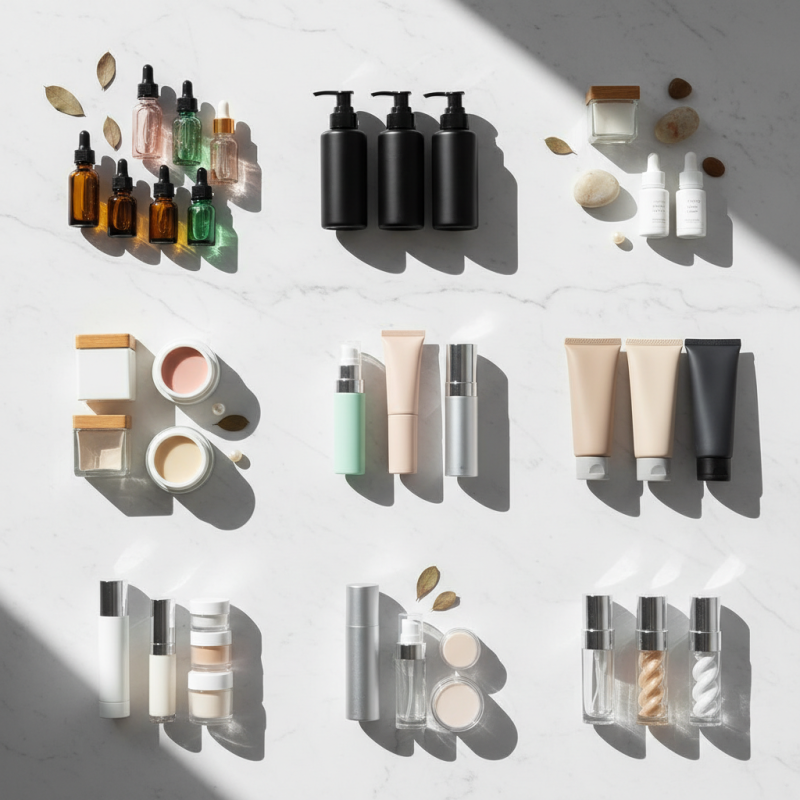
Understanding Different Types of Cosmetic Containers Available
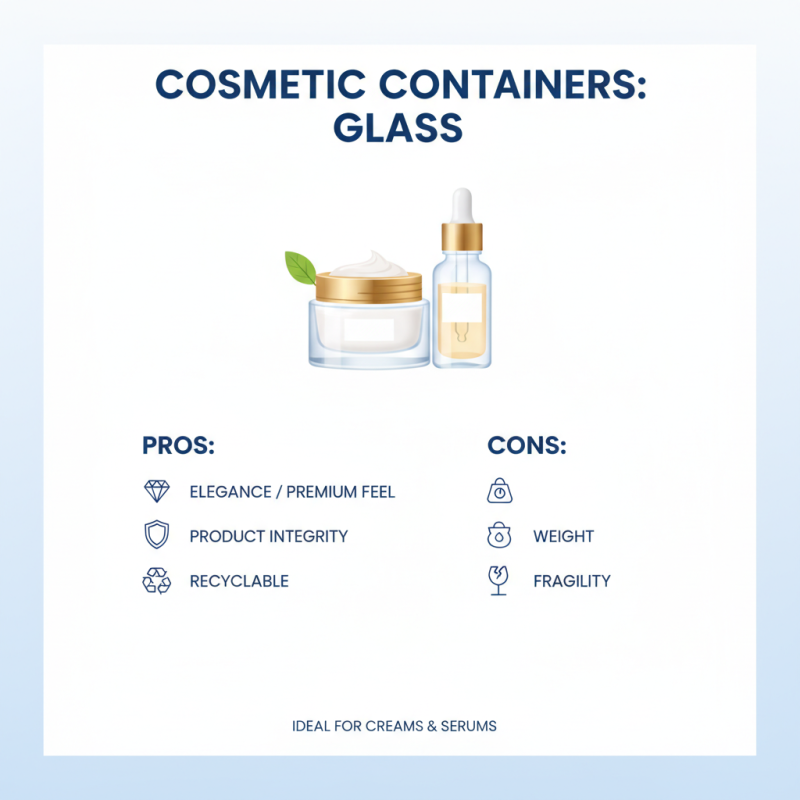
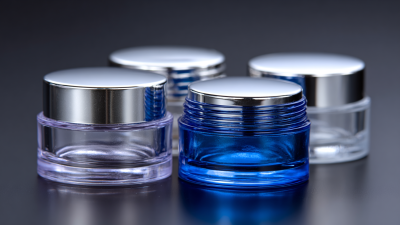
When it comes to selecting cosmetic containers for your products, understanding the various types available is crucial to ensure your brand stands out. Firstly, glass containers are often favored for their elegance and ability to preserve the integrity of the product inside. They are particularly suitable for high-end cosmetics, such as creams and serums, as they provide a premium feel and can be easily recycled. However, their weight and fragility can be a downside for some brands, especially those focused on travel-friendly options.
On the other hand, plastic containers offer versatility and durability. They come in an array of shapes and sizes, making them perfect for both solid and liquid formulations. PET and PP are popular choices due to their lightweight nature and resistance to breakage, which can appeal to consumers seeking convenience. Additionally, biodegradable and eco-friendly plastics have emerged as sustainable alternatives, catering to environmentally conscious brands looking to make a positive impact. Each type of container has its own distinct advantages, and understanding these can greatly influence the success of your cosmetic line.
Key Factors to Consider When Choosing Cosmetic Containers
When selecting cosmetic containers for your products, several key factors play a pivotal role in ensuring that your packaging not only protects the product but also appeals to consumers. Firstly, material choice is crucial; the global cosmetic packaging market is projected to reach $38.3 billion by 2024, driven by demand for sustainable and innovative materials. Opting for eco-friendly materials, such as biodegradable plastics or glass, can enhance your brand’s image and attract environmentally-conscious customers.
Another important consideration is the functionality and design of the container. According to a report by Smithers Pira, 29% of consumers say they choose a product based on its packaging. Factors like ease of use, dispensing methods, and visual appeal significantly impact consumer decisions. It’s essential to evaluate how your container will protect the formulation from contamination and degradation, especially for sensitive products like creams and serums. Ensuring airtight seals and UV protection can help maintain product integrity and extend shelf life, ultimately benefiting both the customer experience and your brand's reputation.
10 Essential Tips for Choosing the Best Cosmetic Containers
Evaluating Material Options for Durability and Safety
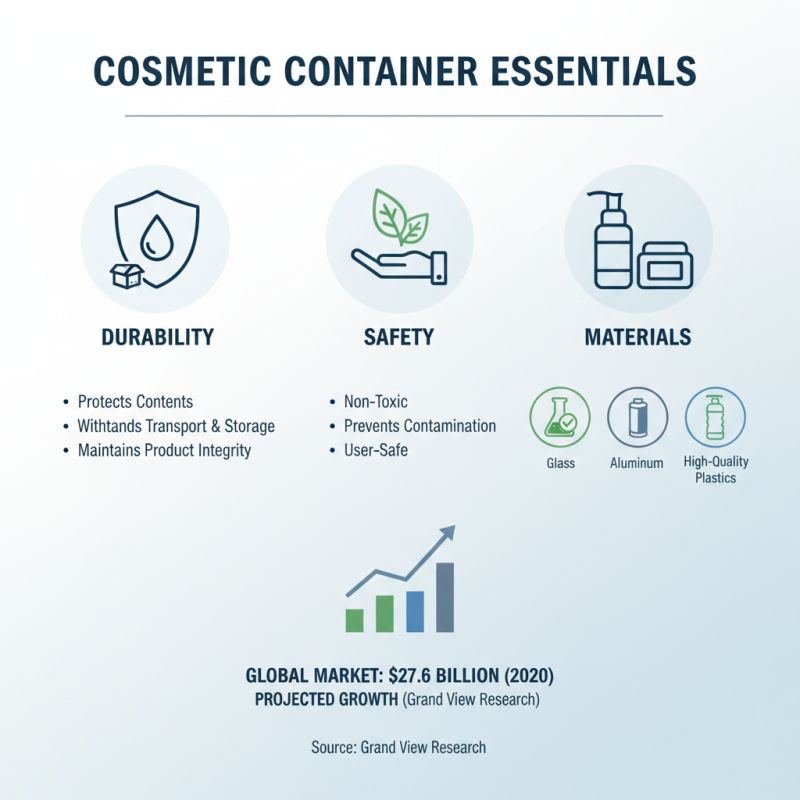
When selecting cosmetic containers, durability and safety are paramount considerations. Materials such as glass, aluminum, and high-quality plastics are commonly evaluated for their ability to protect contents while ensuring user safety. According to a report by Grand View Research, the global cosmetic packaging market was valued at USD 27.6 billion in 2020 and is projected to grow significantly, emphasizing the importance of robust materials that can withstand the rigors of transport and storage while preserving product integrity.
Glass containers, for instance, not only offer a premium aesthetic but also provide an inert barrier that protects against environmental factors. A study published in the "Journal of Applied Polymer Science" noted that glass packaging significantly reduces chemical leaching, which is essential for maintaining the purity of formulations. On the other hand, advancements in high-density polyethylene (HDPE) and polyethylene terephthalate (PET) have made these plastics favorable choices for manufacturers looking for lightweight yet resilient options. The Sustainability in Packaging report highlights that 65% of consumers prefer products in recyclable packaging, further encouraging brands to scrutinize their material choices to align with eco-friendly practices while ensuring safety standards are met.
Ultimately, the selection of materials for cosmetic containers should prioritize not just aesthetic appeal but also functional durability and consumer safety, reflecting the evolving standards in the cosmetic industry. This approach not only enhances the product's marketability but also builds trust with consumers who are increasingly aware of the significance of safe and sustainable packaging.
The Importance of Size and Accessibility in Cosmetic Packaging
When it comes to cosmetic packaging, size and accessibility are key factors that can significantly influence customer experience and product usability. Choosing the right size for your containers ensures that customers can easily handle and dispense the product. For instance, a compact container is ideal for travel-sized products, making it convenient for on-the-go consumers. Conversely, larger containers may be suitable for everyday use, allowing easy access and fewer refills. Remember, the right dimension not only affects functionality but also aligns with your brand identity and target market.
Accessibility also plays a vital role in user experience. Consider the type of dispenser you select; pumps, droppers, or tub openings can greatly influence how easily consumers can utilize the product. A well-designed dispenser minimizes waste and enhances convenience, which can encourage repeat purchases.
Tip 1: Evaluate your target audience and their specific needs to choose a container size that is both appealing and practical. Tip 2: Test the accessibility of various dispensing methods to find one that offers the best user experience while staying true to your product's integrity. By focusing on these aspects, you can create a cosmetic line that not only attracts customers but also promotes satisfaction and loyalty.
10 Essential Tips for Choosing the Best Cosmetic Containers for Your Products
| Container Type |
Material |
Size (ml) |
Accessibility |
Eco-Friendliness |
| Airless Pump Bottle |
PET |
30 |
High |
Yes |
| Jar |
Glass |
50 |
Medium |
No |
| Dropper Bottle |
Amber Glass |
15 |
High |
Yes |
| Squeeze Tube |
Plastic |
100 |
Medium |
Yes |
| Cosmetic Spray Bottle |
PETG |
50 |
High |
Yes |
Sustainability Trends in Cosmetic Container Selection
As sustainability becomes a critical focus in the cosmetics industry, choosing the right cosmetic containers is essential for brand success. Recent reports indicate that more than 70% of consumers are now more likely to purchase products from environmentally responsible brands. This shifting preference underscores the importance of integrating sustainable practices into packaging decisions. Using materials such as recycled plastics, glass, and biodegradable substances not only aligns with consumer values but also contributes to reducing the overall carbon footprint of cosmetic products.
According to a study by Smithers Pira, the global market for sustainable packaging is projected to reach $500 billion by 2027. This growth is fueled by increasing regulatory pressures and consumer demand for transparency in sourcing and manufacturing. Brands are now exploring innovative packaging solutions that minimize waste, such as refillable containers and single-material designs that simplify the recycling process. By adopting these sustainable trends, cosmetic companies can enhance their brand image, foster customer loyalty, and position themselves at the forefront of a rapidly evolving market that prioritizes environmental responsibility.